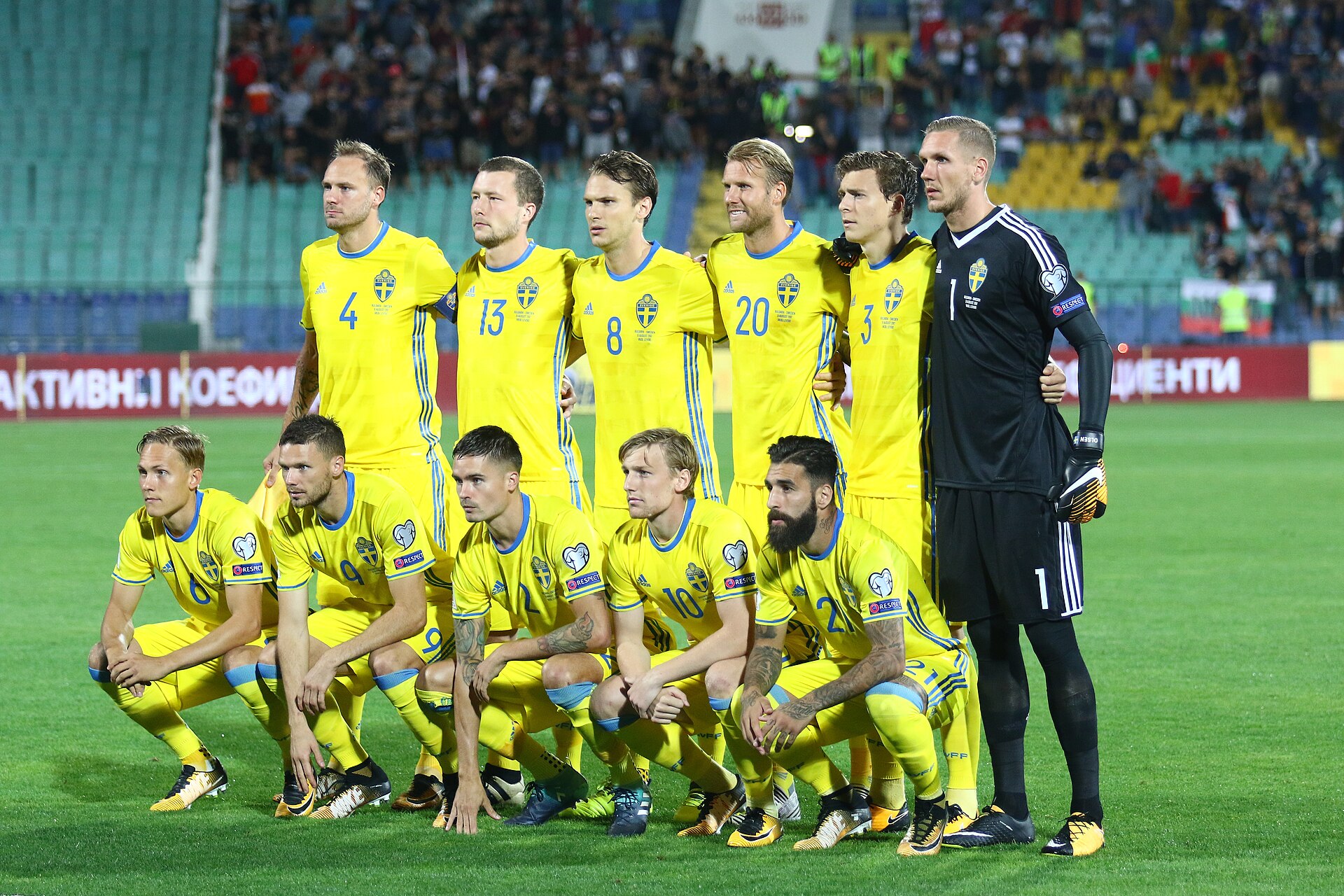
Sweden open their 2026 World Cup in Monterrey, and they do it under the lights at Estadio BBVA against Tunisia on Sunday, June 14. The Blagult arrive with one of the most expensive forward lines at the tournament and one of the strangest qualifying stories of any team here: they finished bottom of their group, were rescued by a back-door playoff route, changed manager mid-campaign, and still found a way to Mexico. For anyone holding a ticket to that opening night, here is everything worth knowing about the side you will be watching: who they are, how they scrambled their way here, how they play, and the 26 men Graham Potter is bringing to the World Cup.
Sweden's improbable road to Monterrey
No team at this World Cup took a stranger path to get here than Sweden. They finished rock bottom of their European qualifying group, failing to win a single one of their six matches and taking just two points, a campaign so dismal that it cost manager Jon Dahl Tomasson his job in October 2025. Switzerland won the group and Kosovo took the runners-up playoff spot; Sweden, with Gyokeres and Isak in the squad, finished below even Slovenia. On paper they had no business being in Mexico at all. What saved them was a quirk of the format: their victory in the previous Nations League group had earned them a separate place in the March 2026 European playoffs, a parallel route into the tournament that does not depend on the qualifying table.
Given that lifeline, they took it. In the playoff semi-final Sweden beat Ukraine 3-1, with Viktor Gyokeres scoring a hat-trick, and in the final against Poland in Solna they edged a chaotic, back-and-forth tie 3-2, Gyokeres again settling it with a goal two minutes from time. It was qualification by the narrowest of routes and the finest of margins, but it was qualification all the same. Sweden reach a World Cup for the first time since 2018, and they do so as a team that knows exactly how close it came to staying home.
A proud World Cup history
Whatever the manner of their arrival, Sweden are no minnows at this level. They reached the World Cup final on home soil in 1958, losing 5-2 to a Pele-inspired Brazil, and that remains the high-water mark for Scandinavian football. They finished third in the United States in 1994, a tournament fondly remembered for the goals of Tomas Brolin, Martin Dahlin and Kennet Andersson and a bronze-medal play-off rout of Bulgaria. As recently as 2018 they reached the quarter-finals in Russia, knocking out Italy in qualifying and then topping a group containing Mexico and Germany before falling to England in the last eight.
That history matters because it frames how this squad sees itself. Sweden do not turn up at World Cups to make up the numbers; they arrive expecting to be organised, hard to beat, and dangerous on their day. The challenge in 2026 is to reconcile that pedigree with the reality of a side that limped through qualifying and needed a new manager and a playoff miracle to be here at all.
The manager: Graham Potter
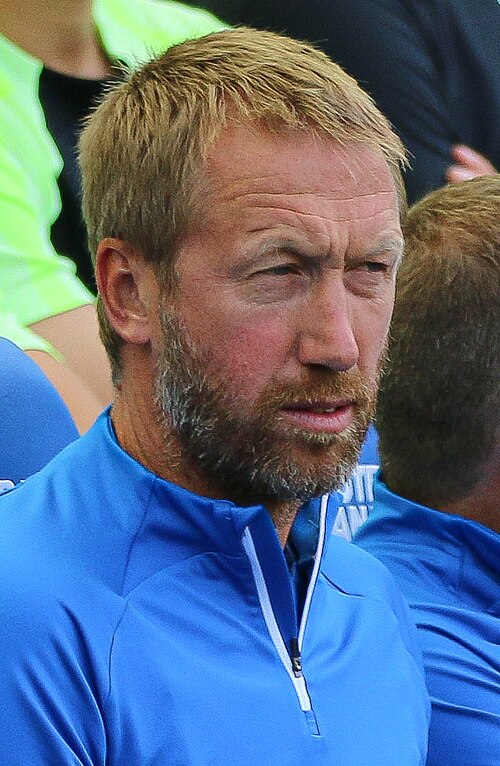
Sweden's head coach is, unusually, an Englishman. Graham Potter was appointed in October 2025 on a short-term deal that initially covered only the remainder of the qualifying campaign, with an extension that would trigger if he delivered the World Cup. He delivered, beating Ukraine and Poland in the playoffs within five months of taking the job, and in March 2026 his contract was extended through to 2030. It is a homecoming of sorts for a coach who first made his name in Sweden, masterminding the extraordinary rise of Ostersunds FK from the fourth tier to the top flight and into Europe between 2011 and 2018 before Premier League jobs at Brighton and Chelsea.
Potter inherited a talented but unbalanced squad and a clear puzzle: how to fit two world-class centre-forwards into one team. His brief at the World Cup is straightforward and difficult at once. Sweden have the attacking talent to hurt anyone, but the defensive frailties that sank their qualifying group have not vanished, and the manager has had only a handful of competitive matches to impose his ideas. How he sets up across these three group games will tell us a great deal about whether this is a Sweden side that controls matches or simply survives them.
How Sweden play
The defining question of this Sweden team is how to get the best out of Viktor Gyokeres and Alexander Isak at the same time. On paper the two should be a dream pairing, but the truth is more awkward: the pair have rarely clicked when fielded together for the national team, and Potter's playoff run was actually built on a 3-4-3 with Gyokeres as a lone striker and Isak used in a deeper or wider role. The Englishman has spent the build-up experimenting with a genuine two-striker shape, starting both up front in the warm-up friendlies, but the partnership is unproven rather than established. How quickly the two world-class forwards learn to play off each other may be the single biggest variable in Sweden's tournament.
The flip side is the back line. Sweden conceded freely in qualifying, and the playoff win over Poland was settled in a chaotic 3-2 rather than a clean sheet. Potter will want more control, but with so much firepower up top, Sweden may simply be a team that backs itself to outscore opponents rather than shut them out. For a neutral, that makes them one of the more watchable sides in the group: open, direct, and capable of both scoring and conceding three on a given night.
Key players

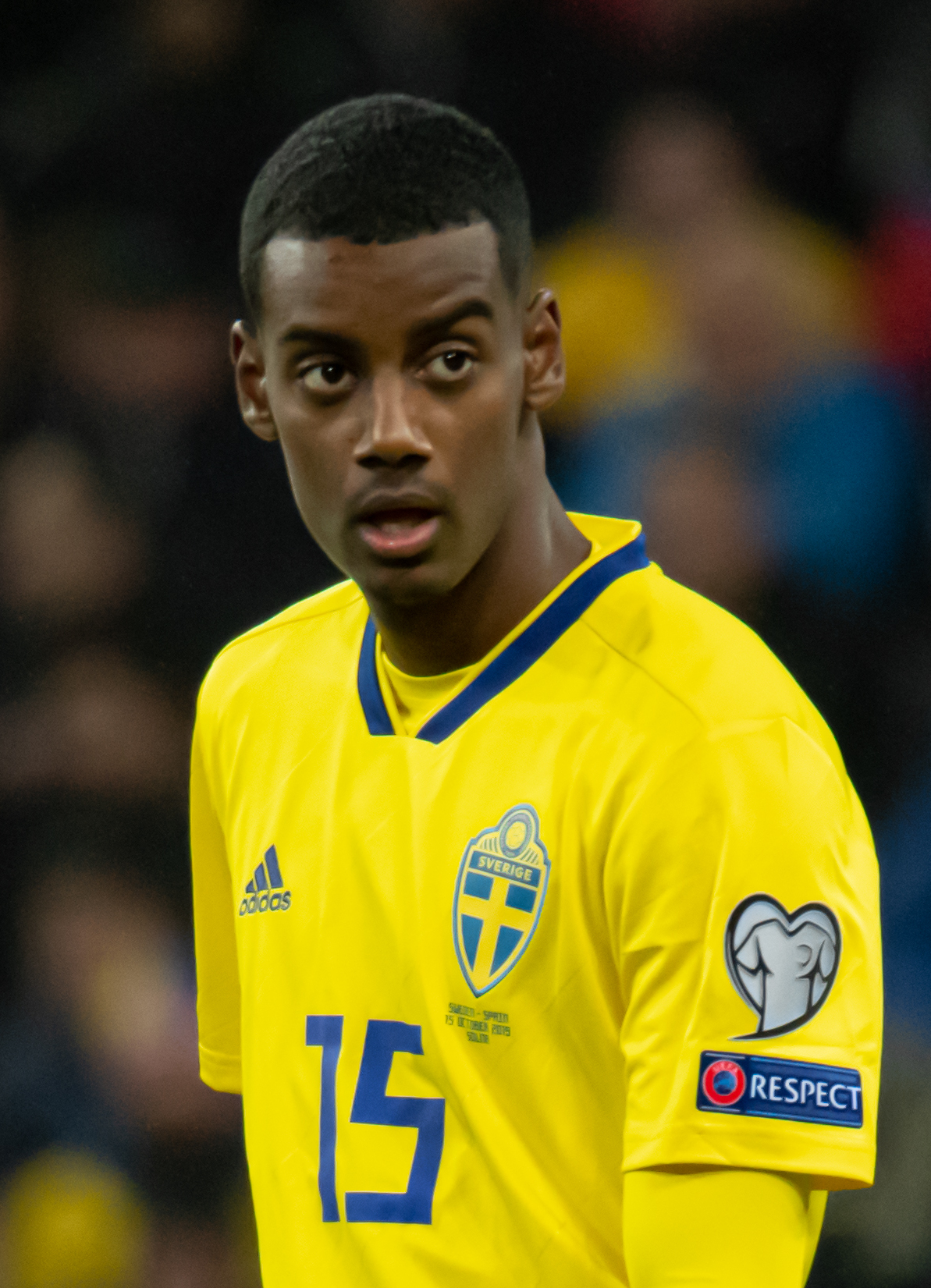
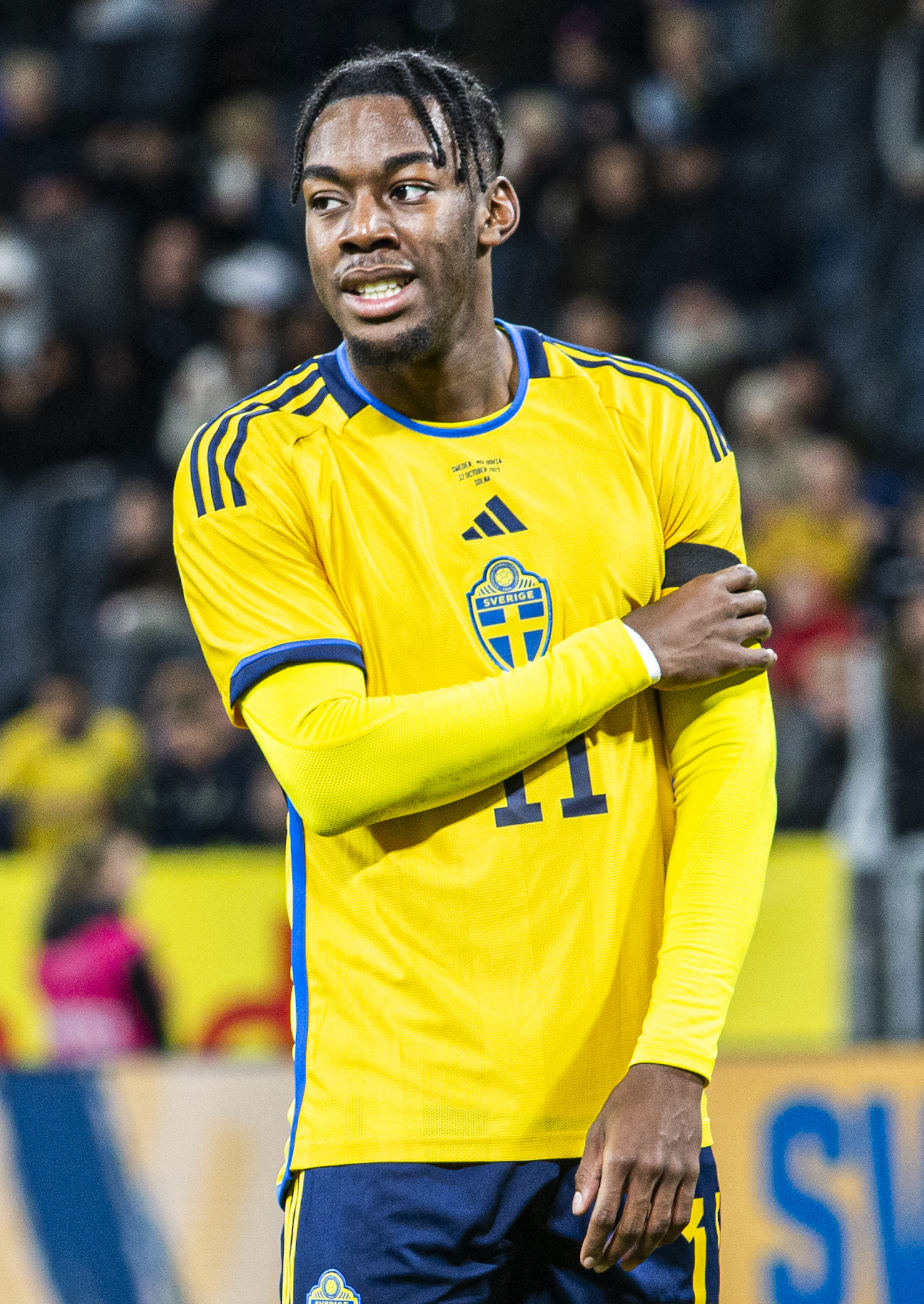
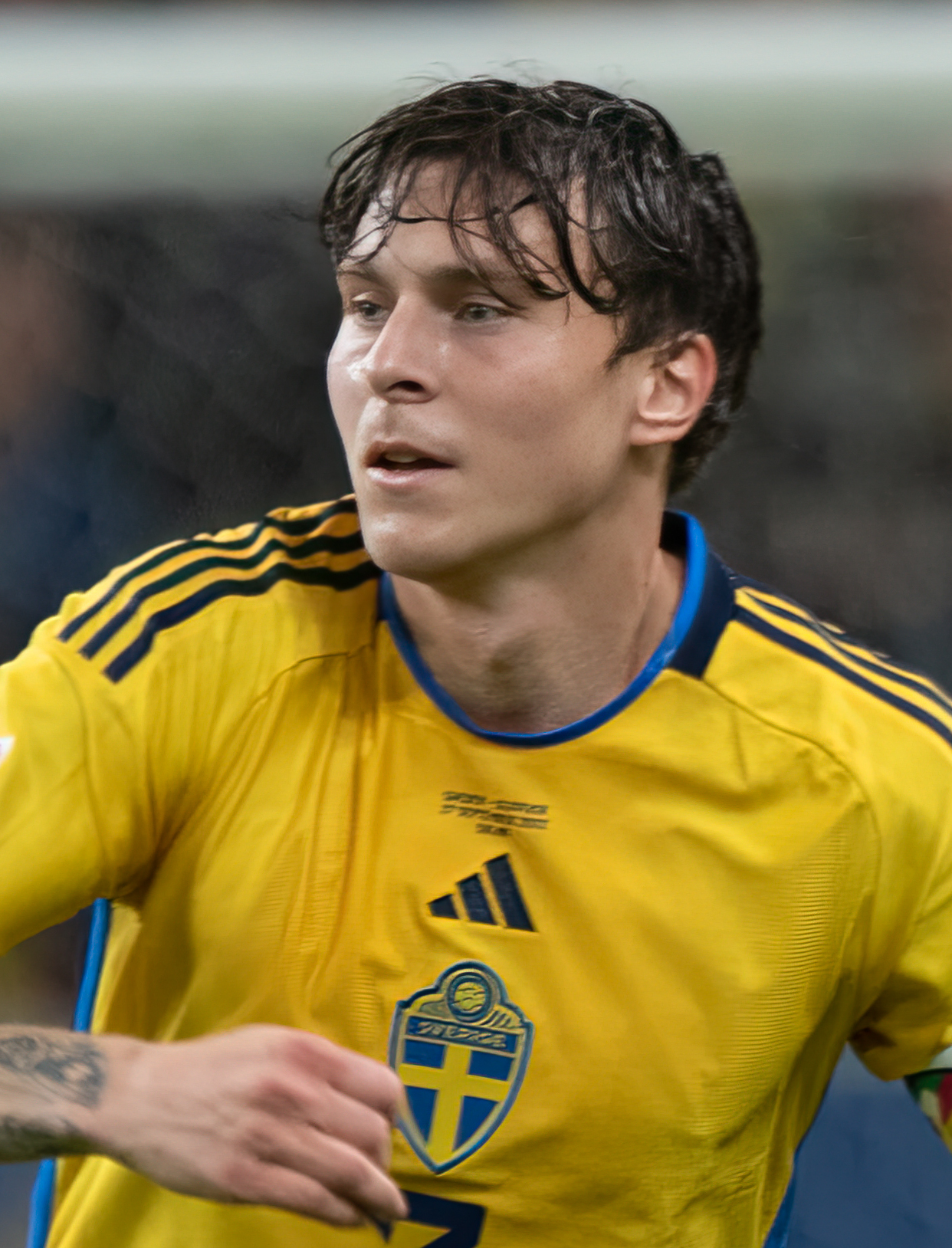
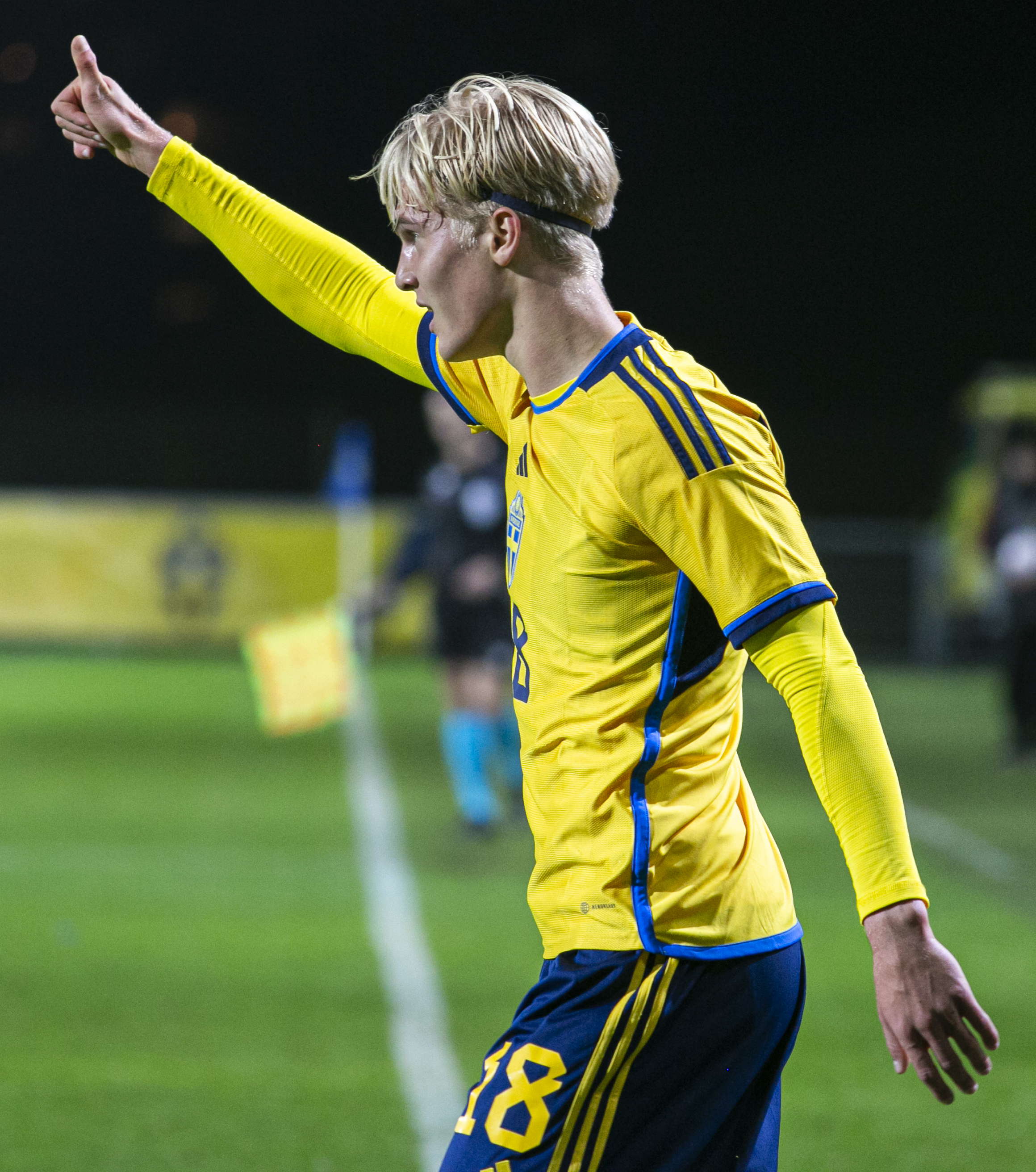
Viktor Gyokeres is the man who dragged Sweden to this World Cup. The Arsenal striker scored a hat-trick against Ukraine and the late winner against Poland in the playoffs, the culmination of a remarkable rise from the English Championship to one of Europe's most feared goalscorers. Alongside him, Alexander Isak brings a different kind of menace: the Liverpool forward is all elegance and movement, a No. 9 who drops into pockets and glides past defenders. Getting these two to function as a partnership rather than two soloists is the single biggest factor in how far Sweden go.
Around the strikers there is real quality. Anthony Elanga of Newcastle adds blistering pace down the flank, while Victor Lindelof, the captain, anchors the defence with the calm of a player who spent years at Manchester United and now leads at Aston Villa. The midfield leans on Wolfsburg's Mattias Svanberg for legs and balance and on Lucas Bergvall, the 20-year-old Tottenham talent who is already one of the most exciting young players in Swedish football, for forward thrust. It is a squad with a clear spine and an obvious identity: get the ball to the strikers and let them do damage.
The squad, line by line

Goalkeepers
Sweden's goalkeeping is solid rather than spectacular: Viktor Johansson at Stoke City and Jacob Widell Zetterstrom at Derby County offer English Championship experience, with the veteran Kristoffer Nordfeldt of AIK providing a steady domestic option. It is a department built on reliability rather than star power, which suits a team whose ambitions live further up the pitch.
Defenders
The back line is captained by Victor Lindelof and stocked with players at major clubs: Isak Hien at Atalanta, Daniel Svensson at Borussia Dortmund, Gabriel Gudmundsson at Leeds United and Carl Starfelt at Celta Vigo, with FC Dallas defender Herman Johansson a late call-up after Juventus's Emil Holm withdrew injured. Potter can field a back four or the three-man defence that underpinned Sweden's two-striker system, and the personnel is good enough that the defensive struggles of qualifying look more like a problem of organisation than of talent.
Midfield
The midfield blends youth and experience. Svanberg and Udinese's Jesper Karlstrom provide the steel, Brighton's Yasin Ayari and Tottenham's Lucas Bergvall the creativity and running, and there is European pedigree throughout, from Ken Sema at Pafos to Besfort Zeneli at Union Saint-Gilloise. Bergvall, at 20, is the youngest player in the squad and the clearest sign of where this Sweden team is heading.
Forwards
This is where Sweden are genuinely elite. Gyokeres of Arsenal and Isak of Liverpool form one of the most expensive forward pairings at the tournament, with Newcastle's Anthony Elanga adding pace from wide and Benjamin Nygren of Celtic and Gustaf Nilsson of Club Brugge offering different options off the bench. Whatever Sweden's flaws, their attack can hurt any defence in this competition.
The Kulusevski absence
Every World Cup squad has its notable absentee, and Sweden's is Dejan Kulusevski. The Tottenham playmaker, one of the most creative players Sweden have produced in a generation, was left out through a long-term injury, a blow for a team that could have used his ability to link midfield and attack. His absence places more of the creative burden on Bergvall and Ayari and arguably tilts Sweden even further toward a direct, strikers-first approach. It is the one clear what-might-have-been hanging over an otherwise heavily attacking squad.
The full 26-man squad
| Pos | Player | Club |
|---|---|---|
| GK | VJViktor Johansson |  Stoke City Stoke City |
| GK |  Kristoffer Nordfeldt Kristoffer Nordfeldt |  AIK AIK |
| GK | Jacob Widell Zetterstrom |  Derby County Derby County |
| DF | Victor Lindelof C |  Aston Villa Aston Villa |
| DF | IHIsak Hien |  Atalanta Atalanta |
| DF | 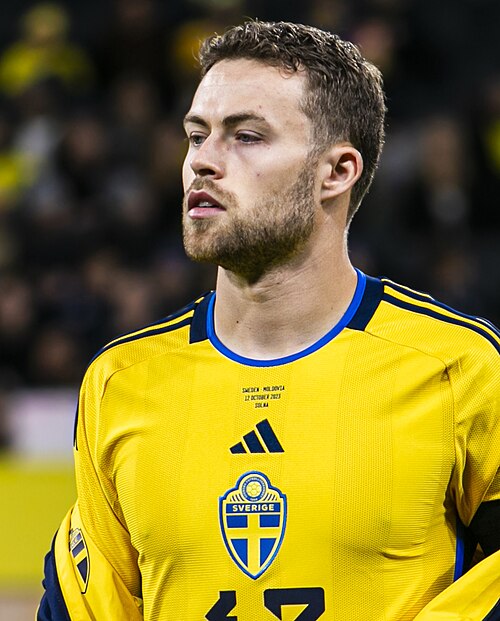 Gabriel Gudmundsson Gabriel Gudmundsson |  Leeds United Leeds United |
| DF |  Daniel Svensson Daniel Svensson |  Borussia Dortmund Borussia Dortmund |
| DF | 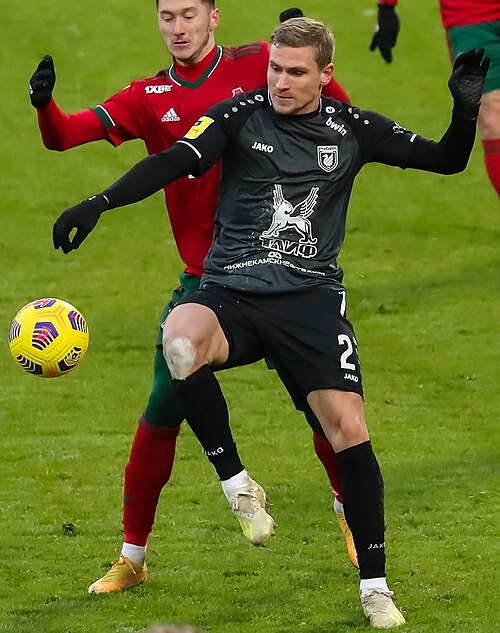 Carl Starfelt Carl Starfelt |  Celta Vigo Celta Vigo |
| DF | 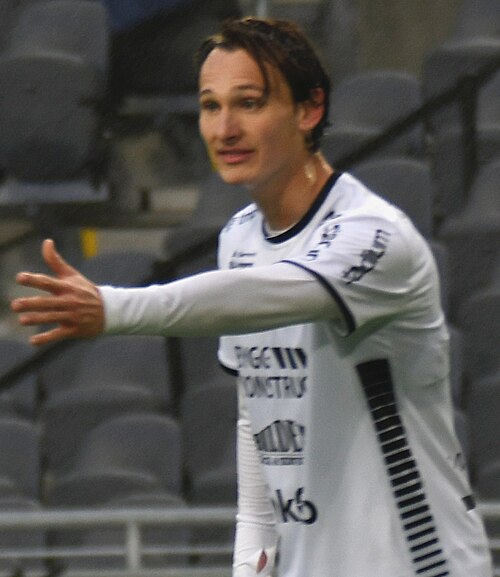 Hjalmar Ekdal Hjalmar Ekdal |  Burnley Burnley |
| DF | HJHerman Johansson |  FC Dallas FC Dallas |
| DF |  Gustaf Lagerbielke Gustaf Lagerbielke |  SC Braga SC Braga |
| DF | 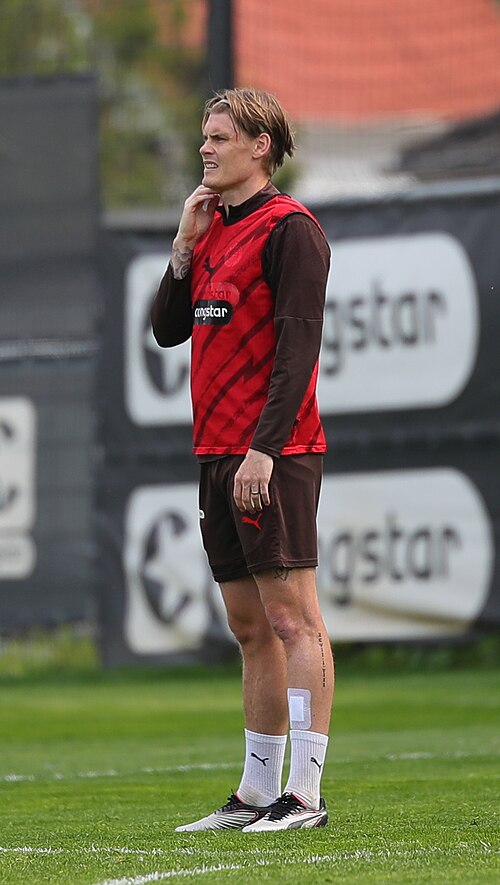 Eric Smith Eric Smith |  FC St. Pauli FC St. Pauli |
| DF | ESElliot Stroud |  Mjallby AIF Mjallby AIF |
| MF | Mattias Svanberg |  VfL Wolfsburg VfL Wolfsburg |
| MF | 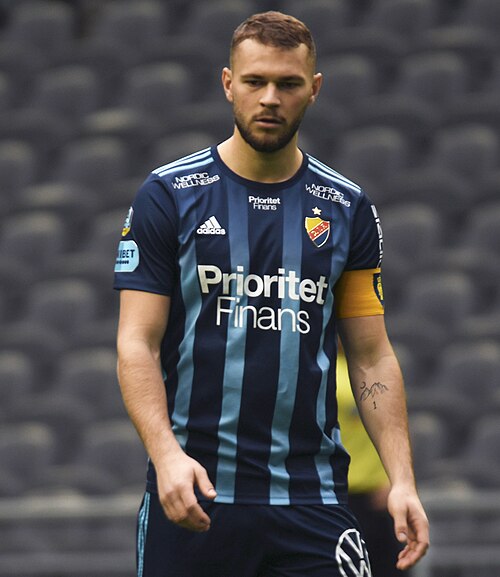 Jesper Karlstrom Jesper Karlstrom |  Udinese Udinese |
| MF | 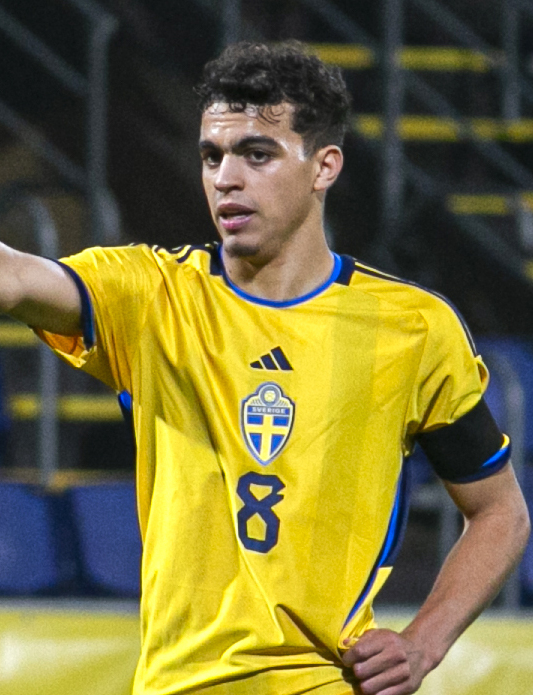 Yasin Ayari Yasin Ayari |  Brighton Brighton |
| MF | Lucas Bergvall |  Tottenham Tottenham |
| MF | 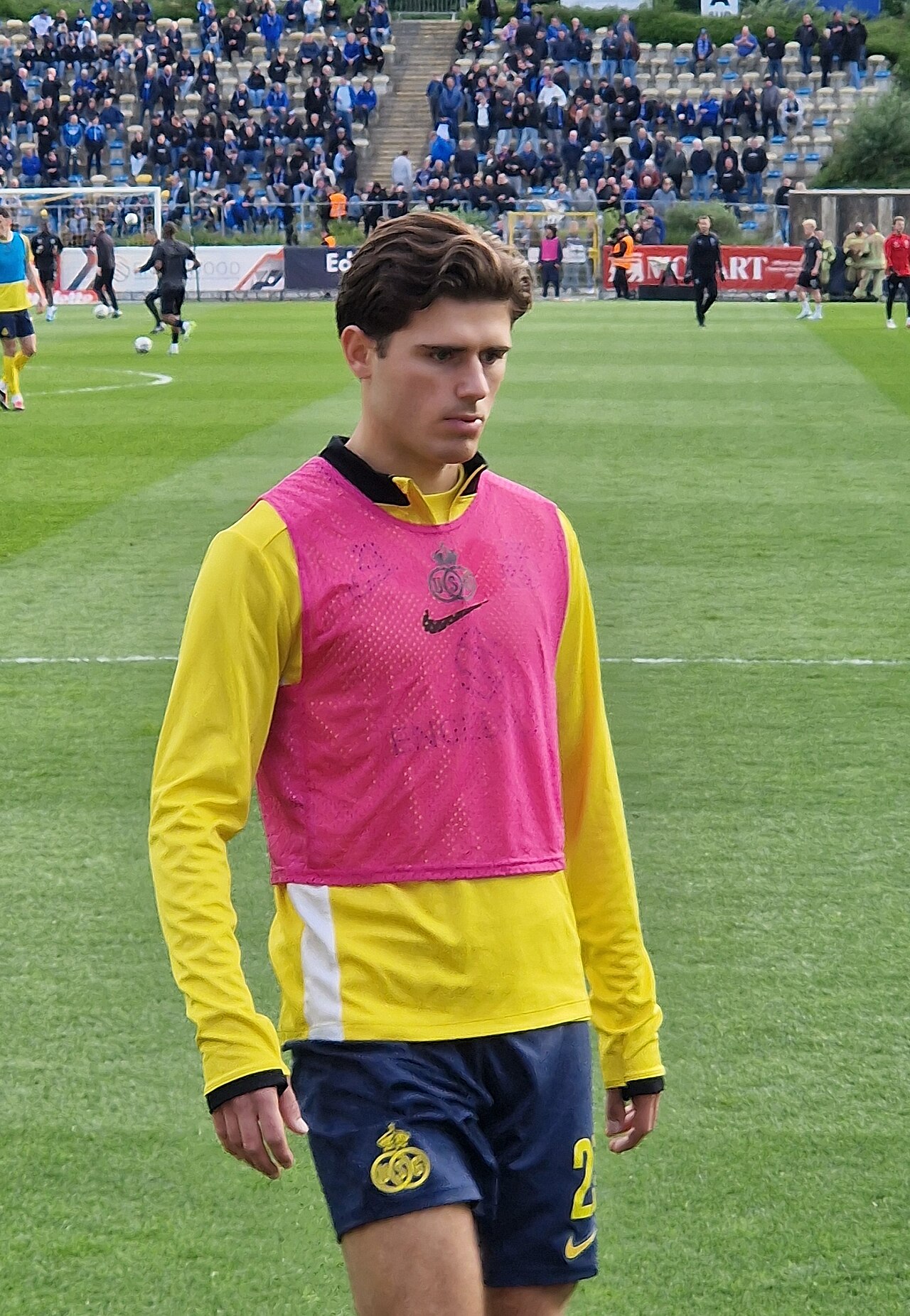 Besfort Zeneli Besfort Zeneli |  Union Saint-Gilloise Union Saint-Gilloise |
| MF | 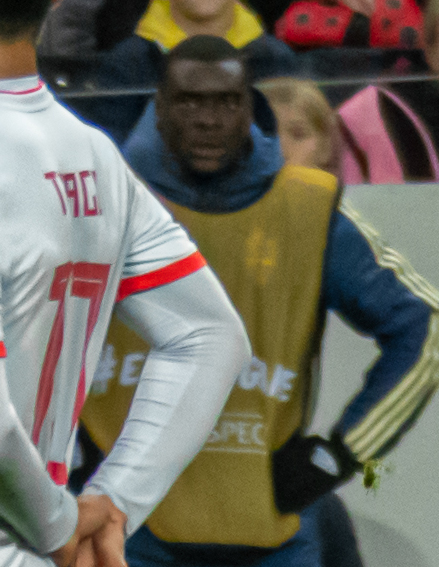 Ken Sema Ken Sema |  Pafos FC Pafos FC |
| MF | TATaha Ali |  Malmo FF Malmo FF |
| FW | Viktor Gyokeres |  Arsenal Arsenal |
| FW | Alexander Isak |  Liverpool Liverpool |
| FW | Anthony Elanga |  Newcastle United Newcastle United |
| FW | 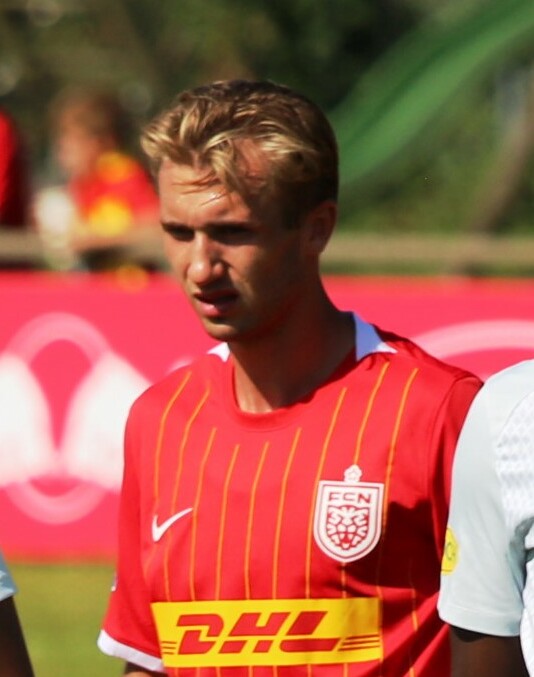 Benjamin Nygren Benjamin Nygren |  Celtic Celtic |
| FW | 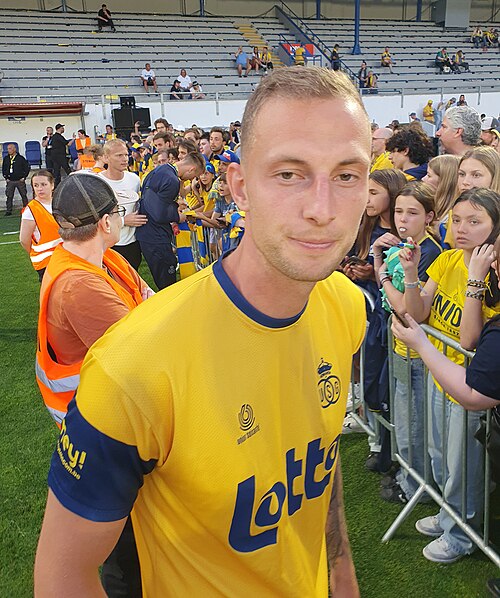 Gustaf Nilsson Gustaf Nilsson |  Club Brugge Club Brugge |
| FW |  Alexander Bernhardsson Alexander Bernhardsson |  Holstein Kiel Holstein Kiel |
Squad announced: May 12, 2026 by Graham Potter. Final squads can change up to kickoff in case of late injury; check FIFA.com for the definitive list before the tournament.
Group F: who Sweden must get past
Sweden share Group F with the Netherlands, Japan and Tunisia, a draw with no easy nights. The Netherlands are the seeded side and favourites to win the group; Japan, who beat Germany and Spain at the last World Cup, are one of the most respected sides in Asia; and Tunisia, Sweden's Monterrey opponent on opening night, are a well-organised African team that has frustrated bigger names before. With the expanded 48-team format sending the top two from each group plus the best third-placed teams into the knockouts, Sweden have a realistic path to advance, but they will likely need to take their points from Tunisia and at least one of the other two. Finishing first in Group F carries a local bonus for Monterrey ticket-holders: the group winner plays its Round of 32 knockout match here at Estadio BBVA on June 29.
 NetherlandsGroup favourites (seeded)
 JapanBeat Germany and Spain in 2022
 TunisiaSweden's Monterrey opponent
Sweden's full schedule and route to the final
Here is Sweden's complete path: their three Group F matches, followed by the knockout route they would take if they win the group. Kickoff times below are given in Central Time (CT), the same time zone as Monterrey, so you can plan around them directly.
 SwedenvsTunisiaNetherlandsvsSwedenJapanvsSweden
Sweden's knockout route is shown assuming they win Group F — the group winner plays its Round of 32 in Monterrey on June 29, while finishing second or qualifying as a third-placed team sends them on a different path. Opponents and later-round venues are set by results. TV listings are for Mexico (Canal 5 / TUDN and Azteca 7); in the United States matches air on FOX / FS1 and Telemundo. Always confirm each fixture on FIFA.com before travelling.
Expected weather for each match
Because the matches are still a couple of weeks out — beyond a reliable live forecast — the figures below are the typical conditions for each venue and kickoff time, drawn from the last ten years of records via the Open-Meteo weather archive. They are a climate guide, not a same-day forecast; we will refine them as live forecasts come into range. One detail matters as much as the numbers: both of Sweden's United States matches are played under a roof. NRG Stadium in Houston and AT&T Stadium in Dallas are air-conditioned, climate-controlled venues, so heat is a non-issue at those two. Only the Monterrey opener is genuinely open-air.
Source: Open-Meteo historical archive, 10-year averages (2015–2024) for each venue and local kickoff hour. Rain figures are the share of those years with measurable rain on the date.
The Monterrey match: Sweden vs Tunisia
Sweden's date in Monterrey is their tournament opener, the Group F fixture against Tunisia at Estadio BBVA on Sunday, June 14, with an 8:00 PM local kickoff. The evening start helps in a Monterrey June: by eight o'clock the fiercest daytime heat has broken, and under the stadium's canopy, which shades the great majority of seats, conditions should be manageable for players and fans. On paper Sweden are favourites — they have the more dangerous attack by some distance — but Tunisia are exactly the kind of disciplined, defensively stubborn side that has tripped up fancied teams at past World Cups. Expect Potter's men to push Gyokeres and Isak high and to rely on the strikers and Elanga's pace to break a stubborn opponent down.
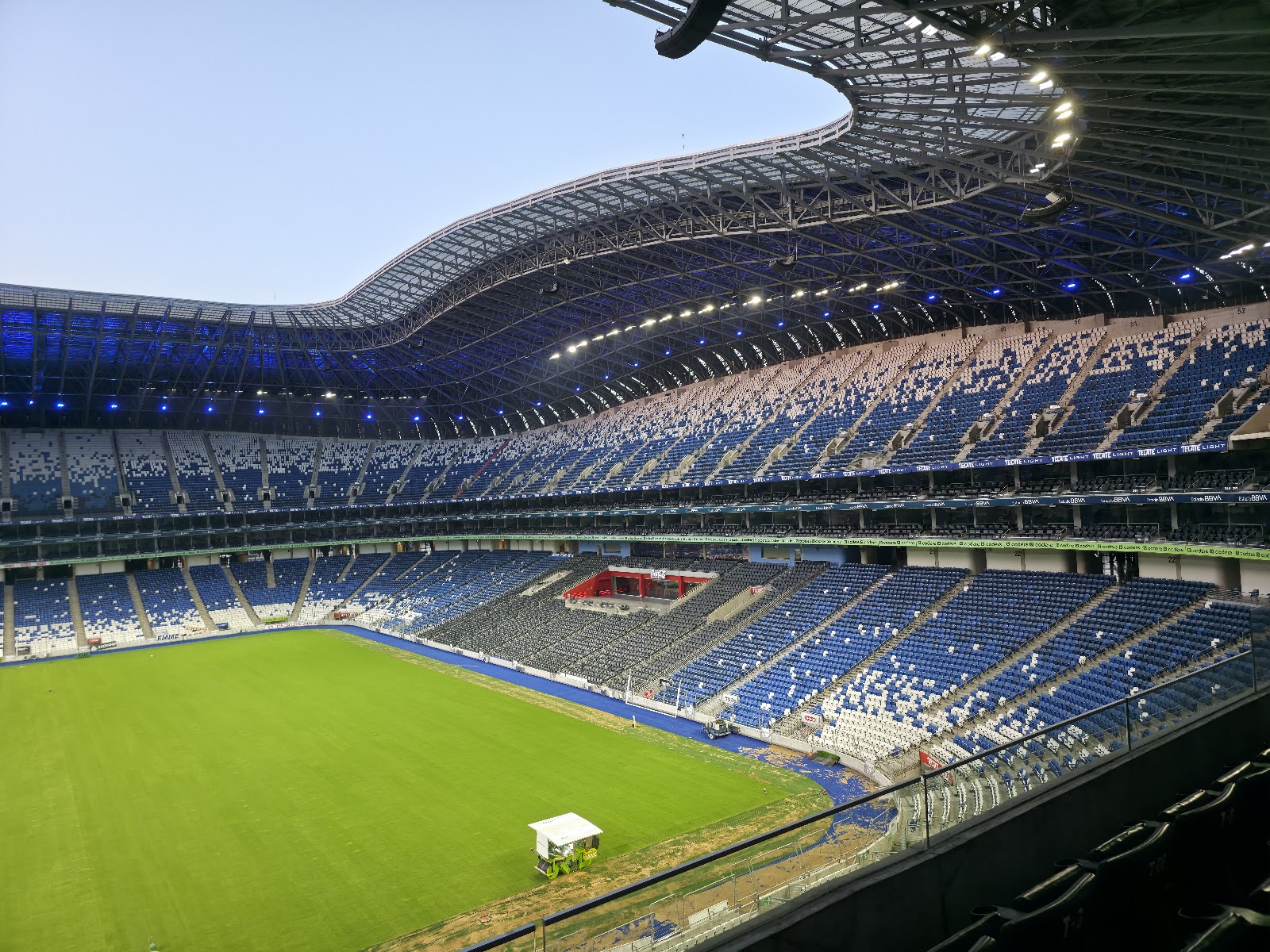
A practical note for the night: the stadium sits in Guadalupe on the eastern side of the metro area, reachable by Metro to Exposicion plus a short walk, or by Uber and DiDi. An 8 PM kickoff still means a late finish once you account for getting out of the ground, so plan your route home before the match rather than after the final whistle.
What to expect from Sweden's fans
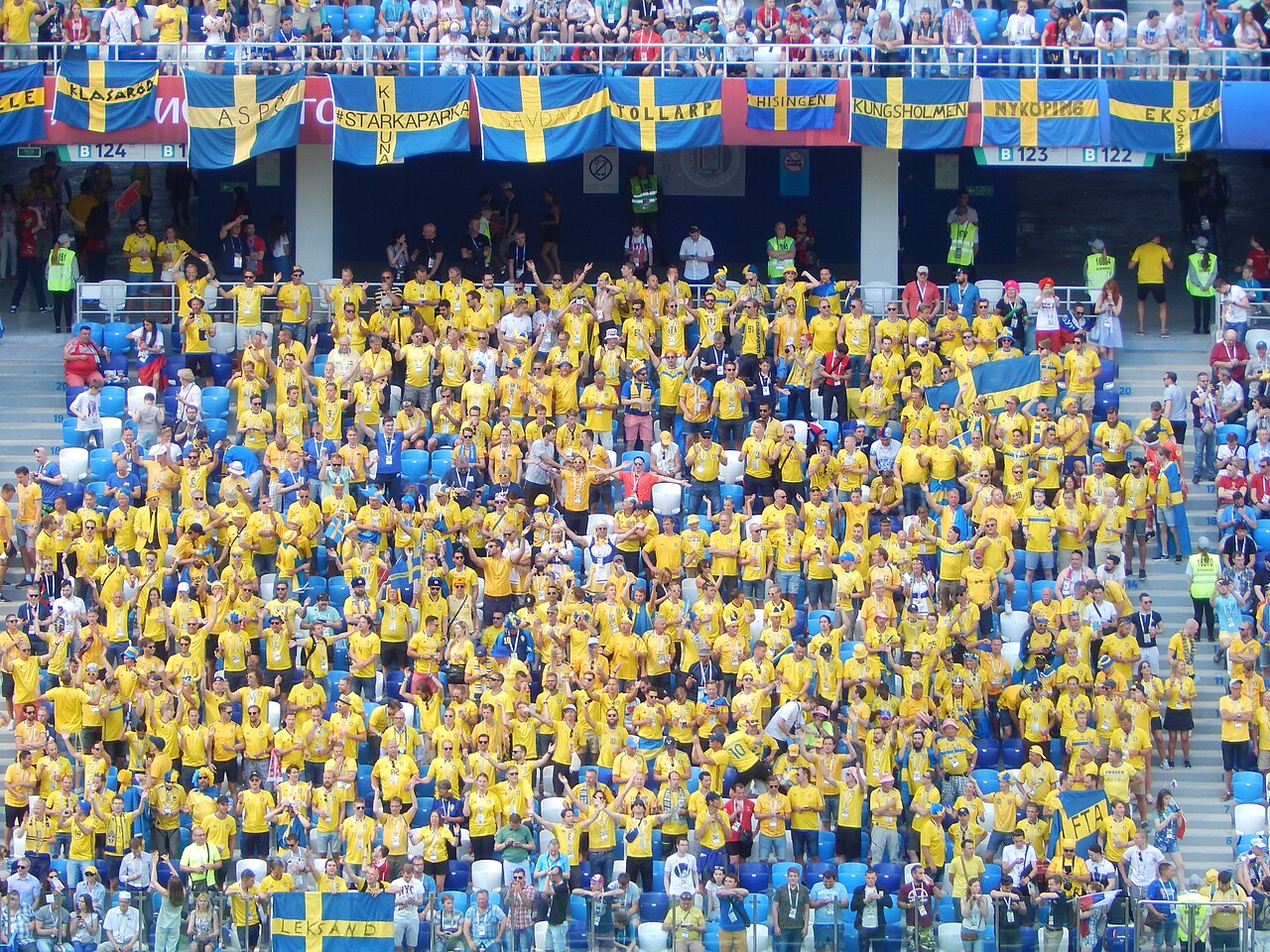
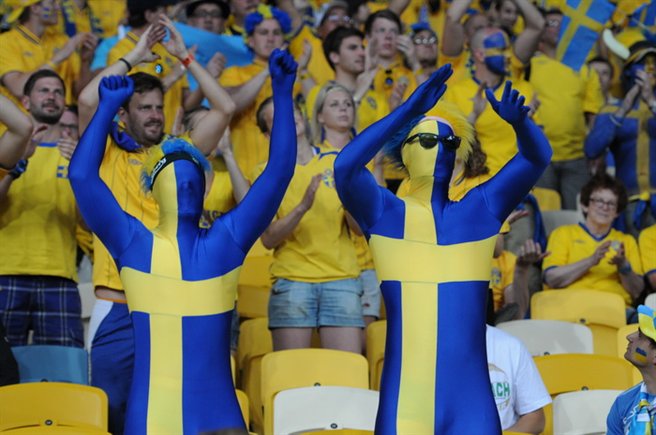
Sweden's travelling support is one of the more colourful you will see at a World Cup: a sea of yellow shirts and blue-and-yellow flags, loud and good-natured, with a long tradition of turning up in numbers for tournament football. The Scandinavian following tends to be family-friendly and well-behaved, the kind of crowd that makes an away end feel like a festival rather than a flashpoint. In a stadium as steep and intimate as Estadio BBVA, even a modest Swedish contingent will make the June 14 opener feel like a genuine World Cup night.
Whether Sweden are simply passing through Monterrey or returning here for the June 29 knockout depends on how Group F unfolds — but for one Sunday night in June, the Blagult belong to the Steel Giant, and they arrive as a team that, against all the odds of their qualifying campaign, has a forward line good enough to trouble anyone left in the tournament.