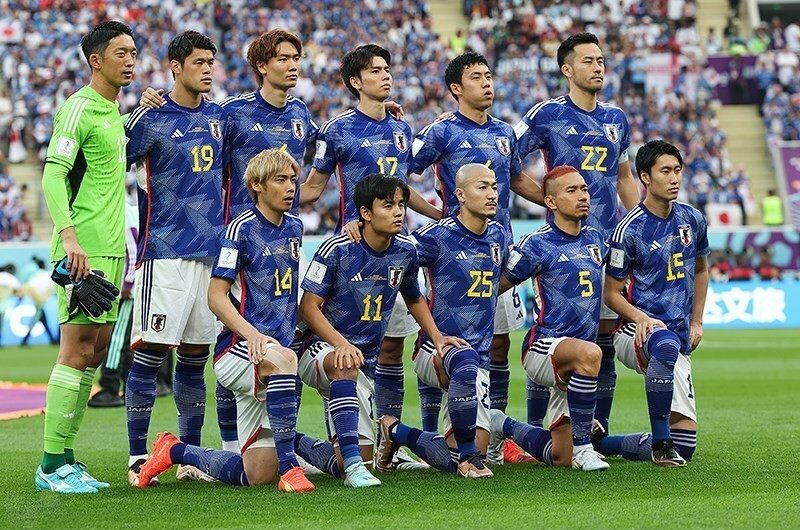
Japan come to Monterrey for one night: their Group F meeting with Tunisia at Estadio BBVA on Saturday, June 20. The Samurai Blue arrive as one of Asia's strongest sides and a team Europe has learned to take seriously — this is their eighth consecutive World Cup, and at Qatar 2022 they beat both Germany and Spain on the way out of the group. For anyone holding a ticket to that Monterrey fixture, here is everything worth knowing about the team you will be watching: who they are, how they got here, how they play, and the 26 men Hajime Moriyasu is bringing to Mexico.
Japan's road to Monterrey
Japan did not just qualify for the 2026 World Cup — they did it before anyone else. On March 20, 2025, a 2-0 win over Bahrain, with second-half goals from Daichi Kamada and Takefusa Kubo, made the Samurai Blue the first nation on earth to book a place at the tournament behind only the three co-hosts, Canada, Mexico and the United States. They sealed it with three games of Asian qualifying still to play, a margin that says a great deal about how far ahead of the regional pack this generation has pulled.
It is the eighth consecutive time Japan have reached the World Cup, an unbroken run that stretches back to their debut at France 1998. In the space of a single footballing generation the country has gone from never having qualified to being the first team after the hosts to lock in a spot — a trajectory few nations in the world can match. By the time they walk out in Monterrey, Japan will arrive not as plucky outsiders but as a side that expects to be there and expects to compete.
The Qatar 2022 legacy — and the ceiling they want to break
Japan's last World Cup is the reason neutrals now circle their fixtures. Drawn into a punishing group at Qatar 2022, they beat Germany and then beat Spain — two former world champions — to finish top of the group ahead of both. It was one of the great group-stage campaigns by any Asian side, built on disciplined defending and ruthless, fast transitions that punished two of Europe's proudest football nations on the same stage.
And yet the story carries an asterisk that drives this team. Japan have now reached the round of 16 at four World Cups, including the last two in a row, but they have never gone further — never reached a World Cup quarter-final. In 2022 it ended against Croatia on penalties, agonisingly close once again. That unbroken ceiling is the single clearest motivation behind the 2026 squad: this is a group built, openly, to finally cross into the last eight. The knockout match Monterrey hosts on June 29 is exactly the kind of stage where that ambition would be tested.
The manager: Hajime Moriyasu
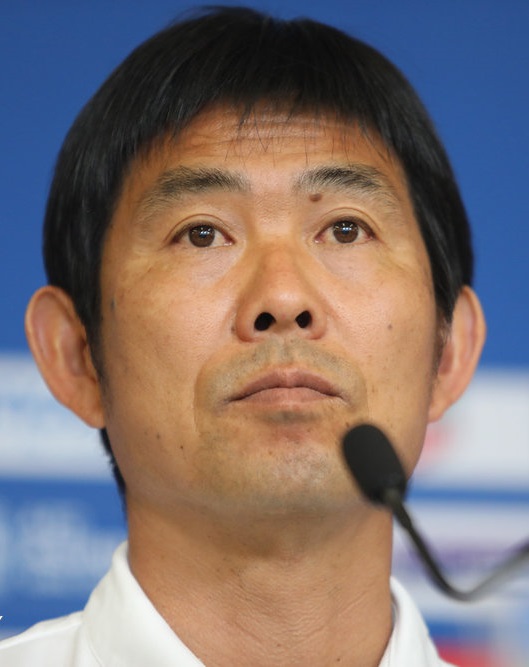
Hajime Moriyasu has been in charge of Japan since 2018, and 2026 is his second World Cup as head coach after the run to the round of 16 in Qatar. Reappointed despite that knockout exit, he has spent the cycle deepening rather than rebuilding — trusting the European-based core that beat Germany and Spain while folding in a wave of younger players who have since earned moves to the continent's top leagues. His Japan is pragmatic and well-drilled: comfortable defending deep and springing forward at pace, but increasingly willing to take the game to opponents now that so many of his players line up against elite competition every week.
How Japan play
The modern Samurai Blue are defined by two things: organisation and transition. They defend as a compact unit, rarely caught out of shape, and they break with genuine speed through quick, technical attackers who have spent years in European football. Where earlier Japan teams could look tidy but toothless, this one carries a real threat on the counter — the Germany and Spain wins in 2022 were both, in essence, masterclasses in soaking pressure and striking decisively. Expect Moriyasu to set up flexibly, shifting between a back four and a back three depending on the opponent, with the full-backs and wide forwards doing much of the creative work.
Key players
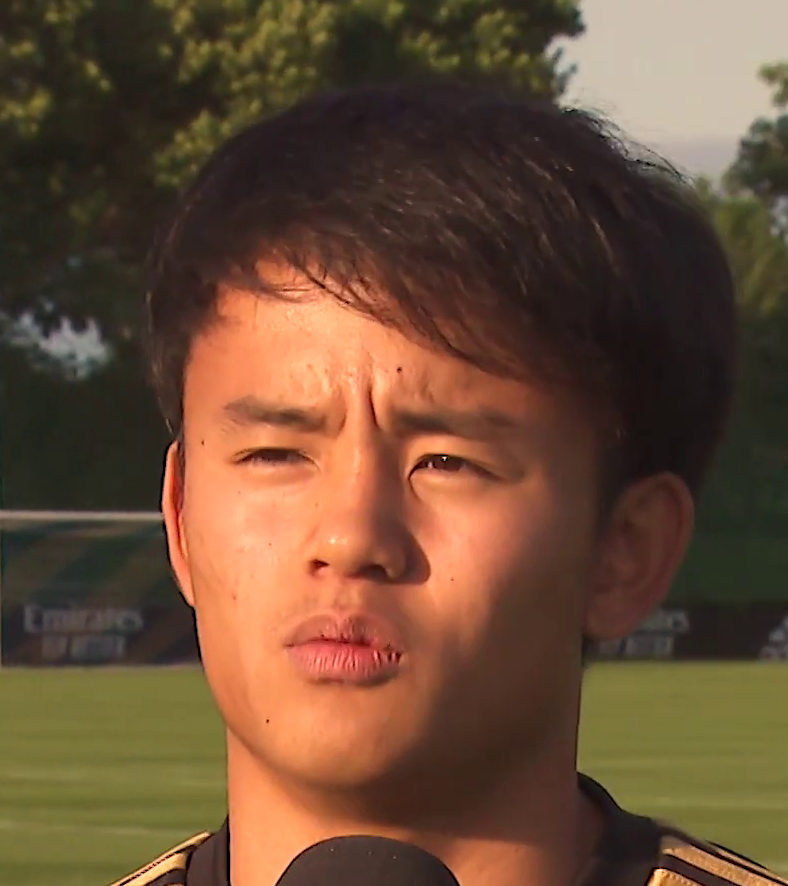
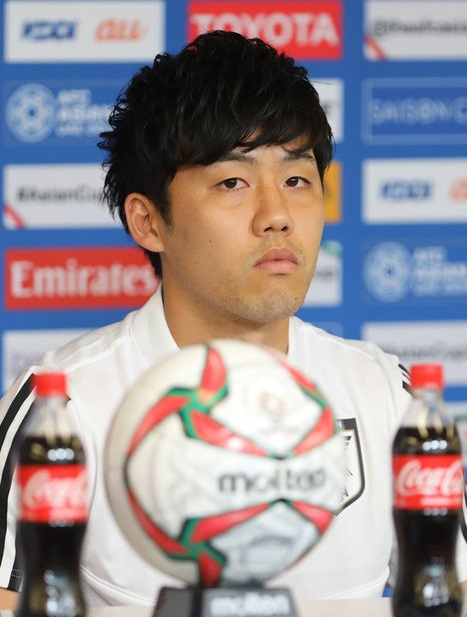
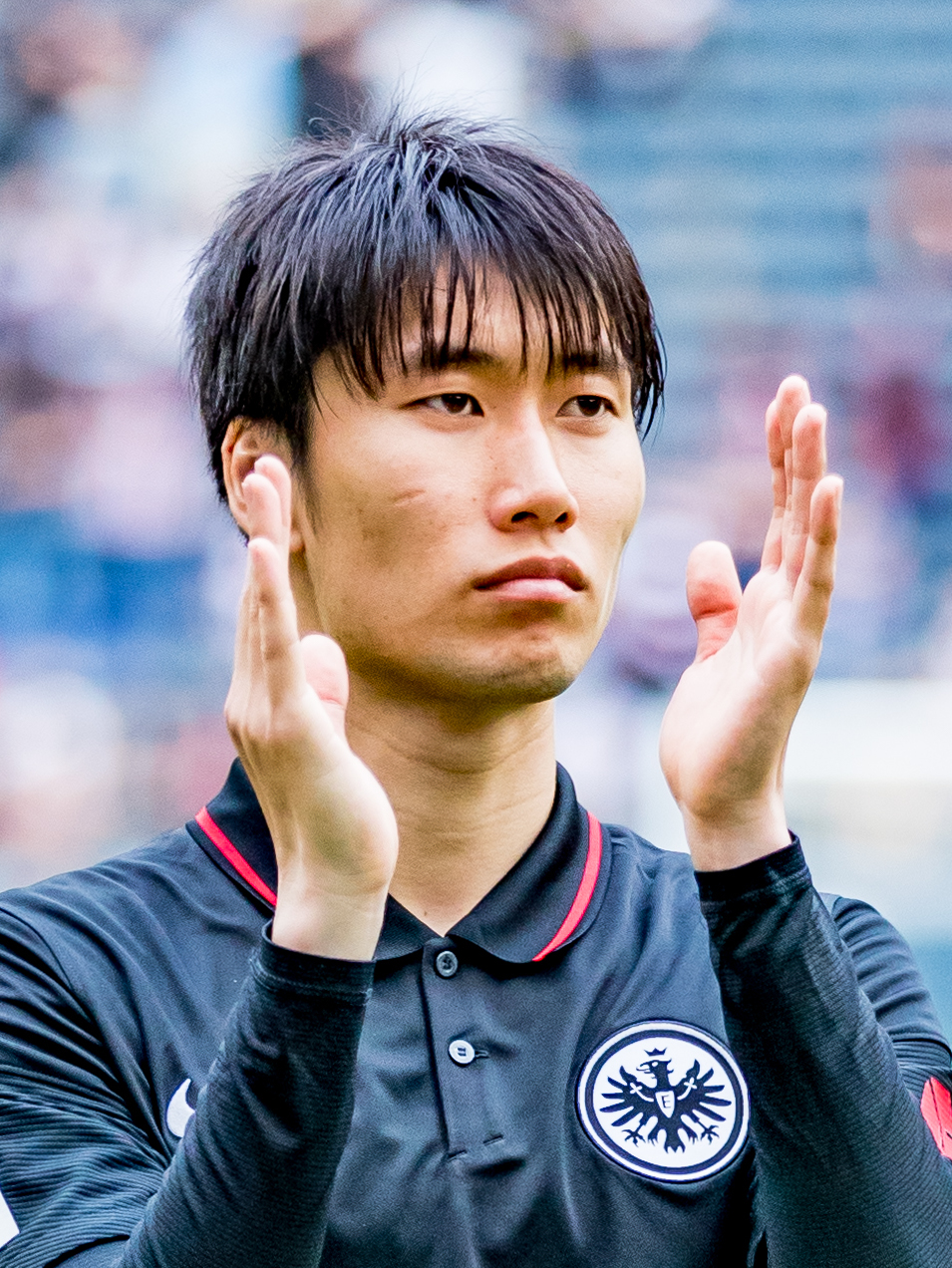
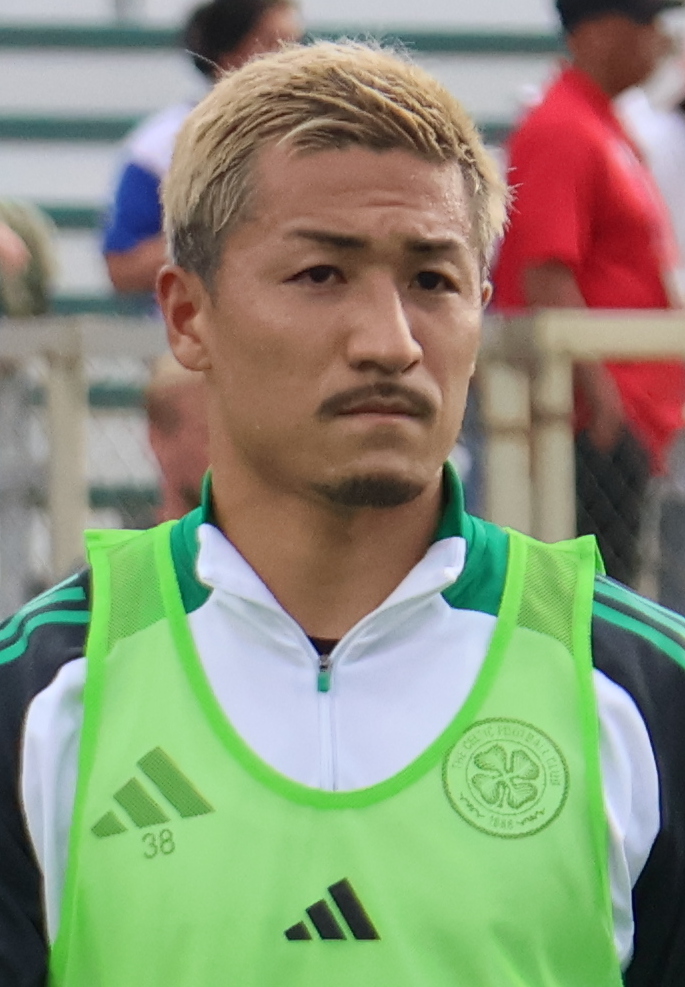
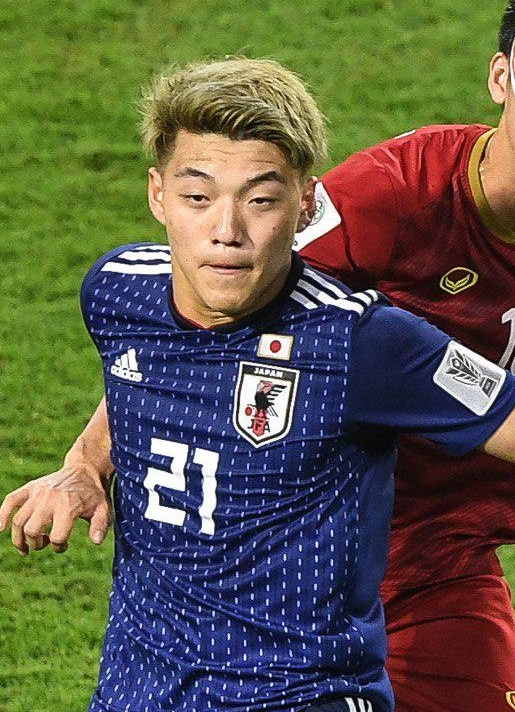
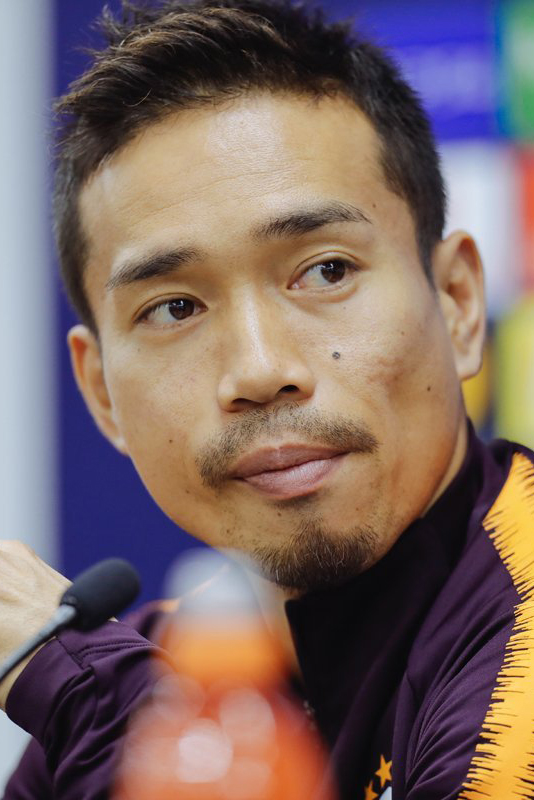
Takefusa Kubo is the player most opponents fear. Once a Real Madrid academy prospect, he has matured at Real Sociedad into one of La Liga's most inventive forwards, able to drift inside off the right and unlock a defence with a single touch. Wataru Endo, the captain, is the team's heartbeat — a Liverpool midfielder whose tackling, positioning and stamina let the more creative players take risks in front of him. Daichi Kamada, scorer of the qualifying goal against Bahrain, brings Premier League quality from Crystal Palace in the half-spaces, while Ritsu Doan of Eintracht Frankfurt and Celtic's relentless Daizen Maeda supply directness and goals from wide.
There is history in the squad as well as youth. At 39, full-back Yuto Nagatomo is set to become the first Asian player ever to appear at five different World Cups — a remarkable longevity record and a link back to the Japan side that first announced itself on the global stage. Around him sits a defence increasingly stocked with players at major European clubs, from Bayern Munich's Hiroki Ito to the Ajax pairing of Ko Itakura and Takehiro Tomiyasu.
The squad, line by line
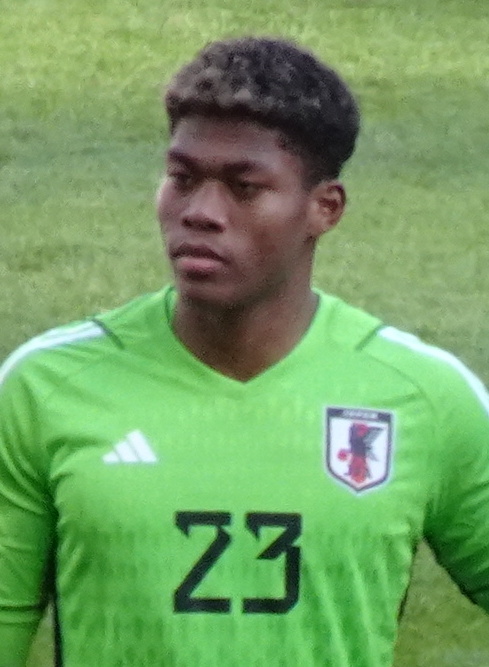
Goalkeepers
Zion Suzuki has emerged as the first choice from Parma in Serie A, backed by the experience of Keisuke Osako and Tomoki Hayakawa from Japan's own J.League — a blend of European exposure and domestic reliability.
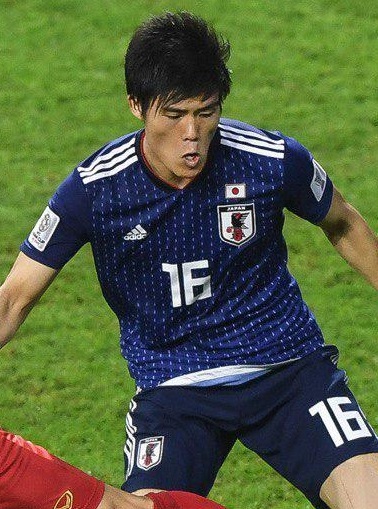
Defenders
This is a deep, well-travelled back line: Hiroki Ito at Bayern Munich, Itakura and Tomiyasu at Ajax, Tsuyoshi Watanabe at Feyenoord, Yukinari Sugawara at Werder Bremen, and the evergreen Nagatomo. Moriyasu can field a back four or a back three without losing quality, which is exactly the flexibility a 48-team World Cup rewards.
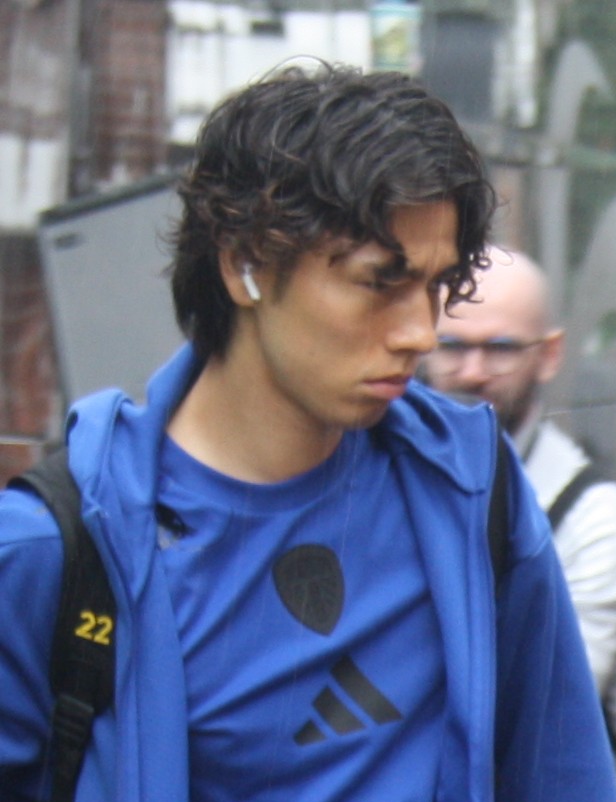
Midfield
The engine room is the squad's deepest area. Endo anchors; Kubo, Kamada, Doan and Leeds United's Ao Tanaka provide the creativity and legs; and younger talents like Mainz's Kaishu Sano and Freiburg's Yuito Suzuki add fresh energy. Almost the entire midfield now plays in Europe's top five leagues — a sentence that would have been unthinkable for Japan a generation ago.

Forwards
Feyenoord's Ayase Ueda and Celtic's Daizen Maeda lead the line, with Koki Ogawa, Keisuke Goto and Wolfsburg's Kento Shiogai offering different profiles off the bench. It is not a squad built around one superstar striker so much as around movement, pace and goals shared across the front line.
The Mitoma blow

Every World Cup squad has its absence, and Japan's is a significant one. Kaoru Mitoma — the Brighton winger who became Japan's most feared one-on-one attacker — was ruled out with a hamstring injury, a loss Moriyasu himself described as huge. Mitoma's ability to beat a full-back and create something from nothing is genuinely hard to replace, and his absence shifts more of the creative burden onto Kubo and Doan. It is the one clear question mark hanging over an otherwise settled and confident squad.
The full 26-man squad
| Pos | Player | Club |
|---|---|---|
| GK | Zion Suzuki |  Parma Parma |
| GK | 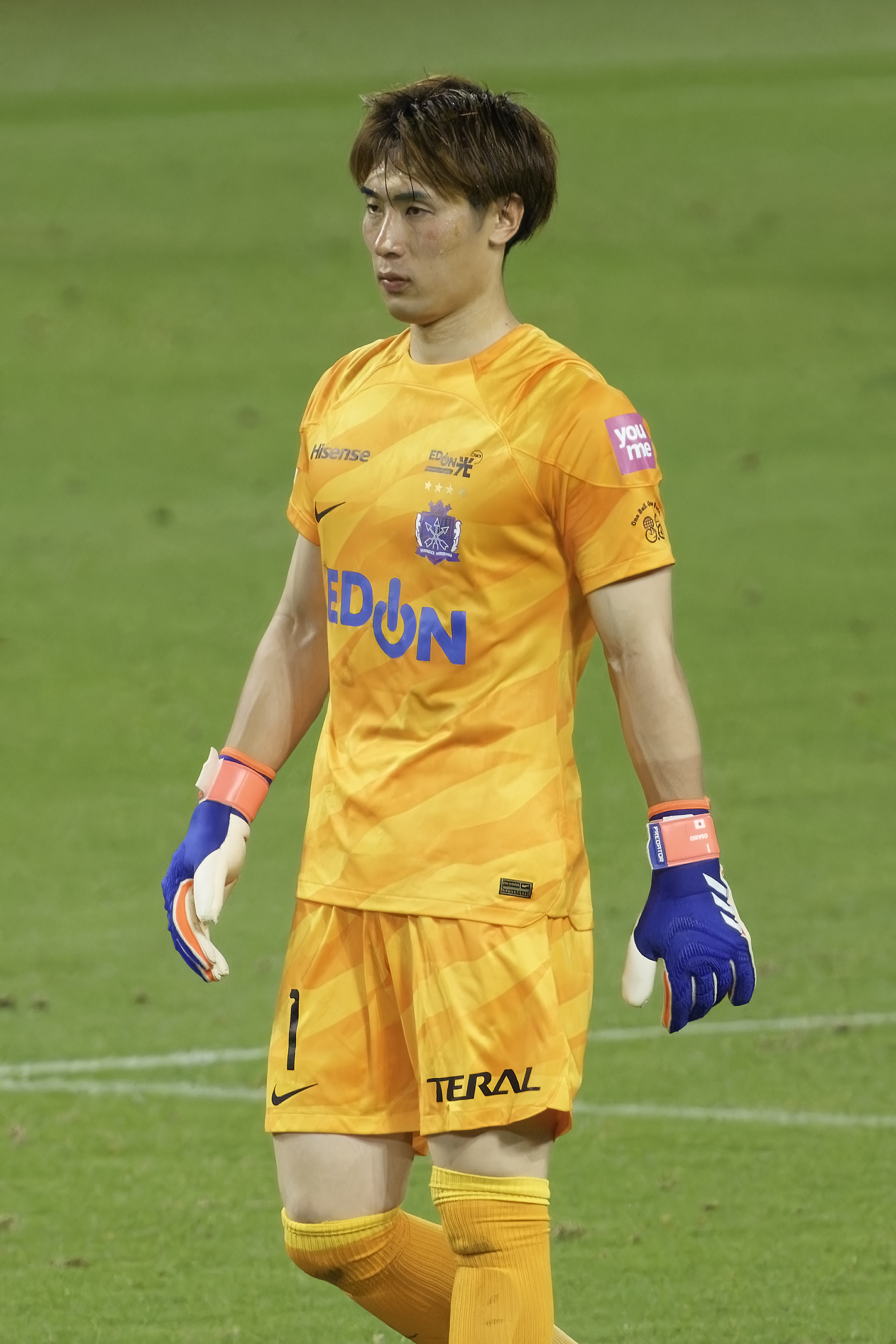 Keisuke Osako Keisuke Osako |  Sanfrecce Hiroshima Sanfrecce Hiroshima |
| GK | THTomoki Hayakawa |  Kashima Antlers Kashima Antlers |
| DF | Yuto Nagatomo |  FC Tokyo FC Tokyo |
| DF |  Shogo Taniguchi Shogo Taniguchi |  Sint-Truiden Sint-Truiden |
| DF | 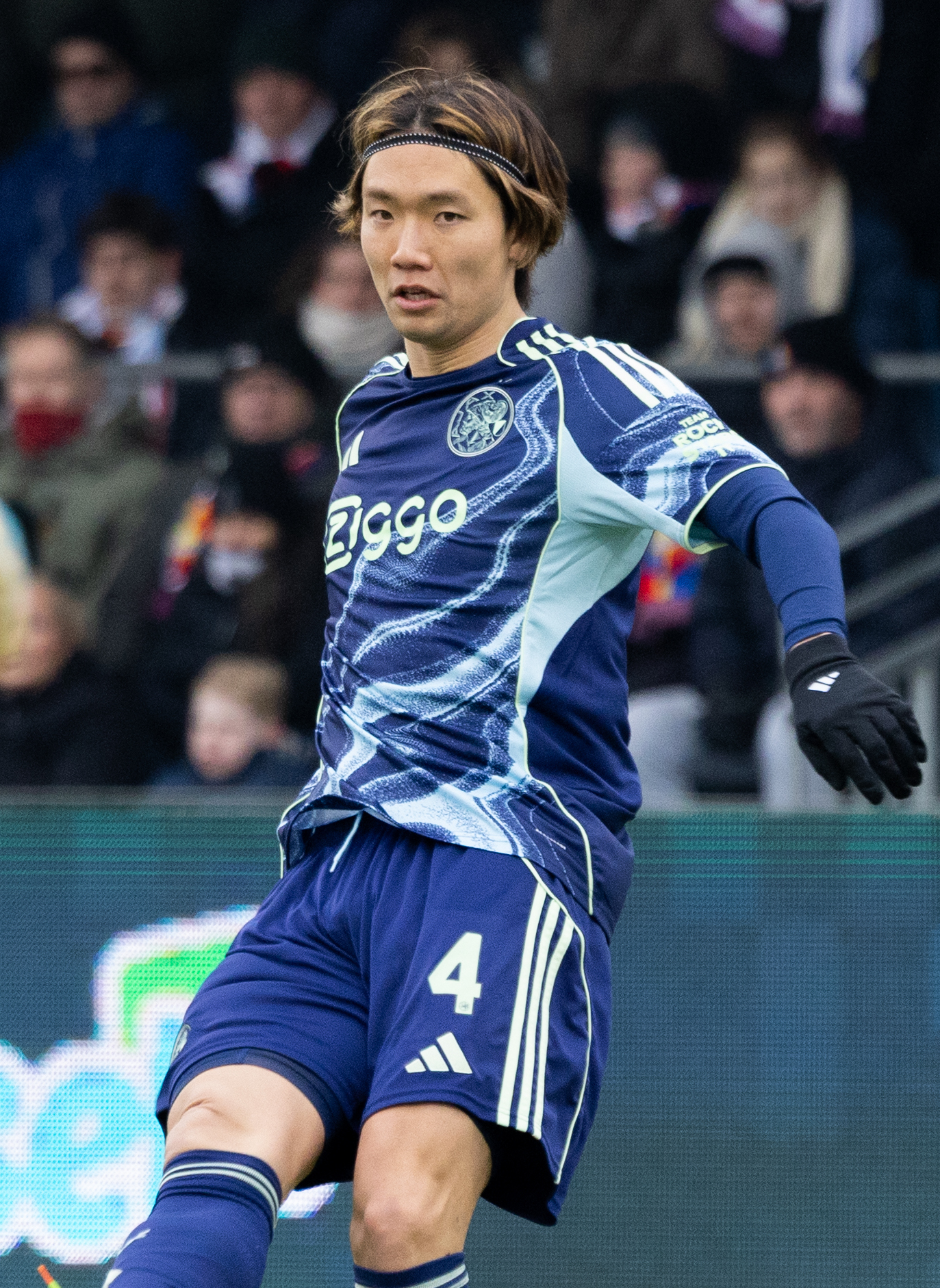 Ko Itakura Ko Itakura |  Ajax Ajax |
| DF | Takehiro Tomiyasu | Ajax |
| DF | TWTsuyoshi Watanabe |  Feyenoord Feyenoord |
| DF | 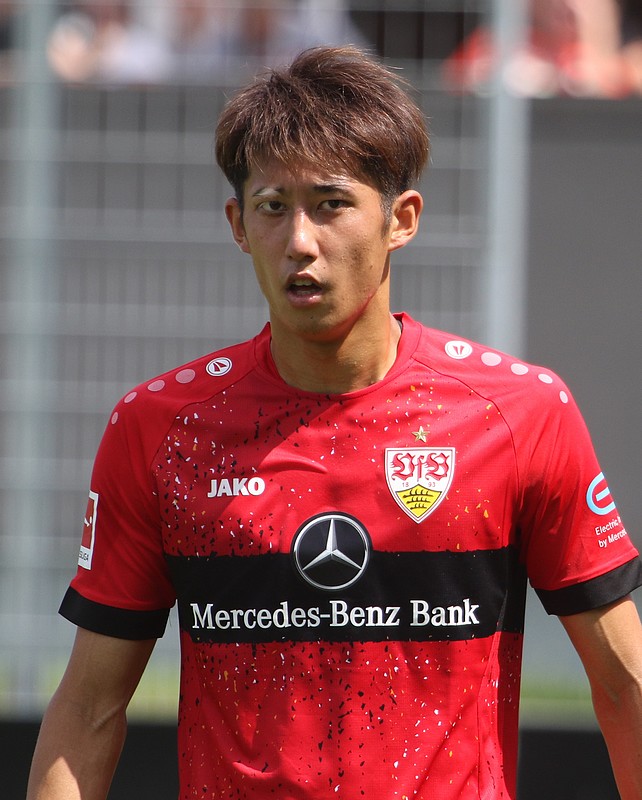 Hiroki Ito Hiroki Ito |  Bayern Munich Bayern Munich |
| DF | ASAyumu Seko |  Le Havre Le Havre |
| DF | 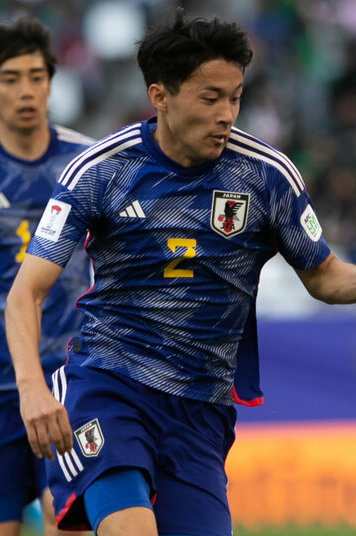 Yukinari Sugawara Yukinari Sugawara |  Werder Bremen Werder Bremen |
| DF | JSJunnosuke Suzuki |  FC Copenhagen FC Copenhagen |
| MF | Wataru Endo C |  Liverpool Liverpool |
| MF | 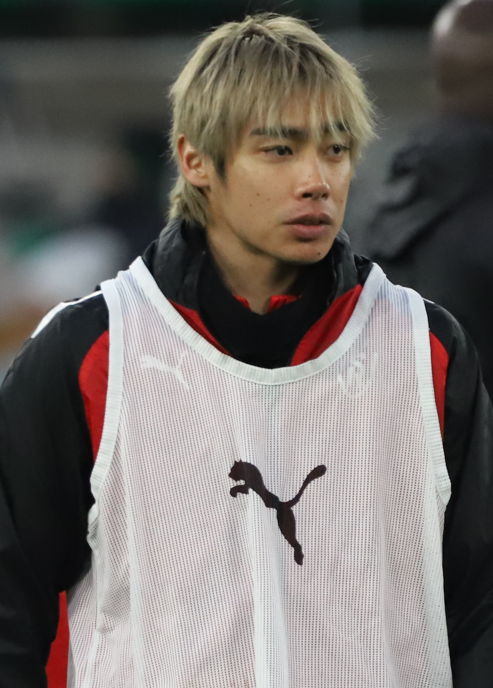 Junya Ito Junya Ito |  KRC Genk KRC Genk |
| MF | Ritsu Doan |  Eintracht Frankfurt Eintracht Frankfurt |
| MF | Daichi Kamada |  Crystal Palace Crystal Palace |
| MF | Ao Tanaka |  Leeds United Leeds United |
| MF | Takefusa Kubo |  Real Sociedad Real Sociedad |
| MF | 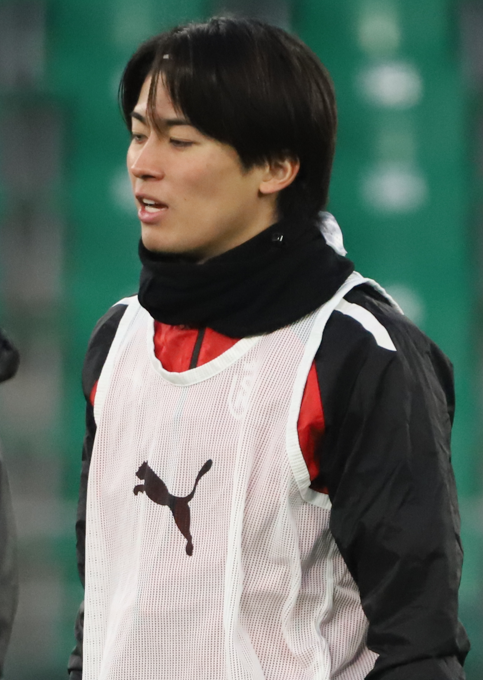 Keito Nakamura Keito Nakamura |  Stade de Reims Stade de Reims |
| MF | 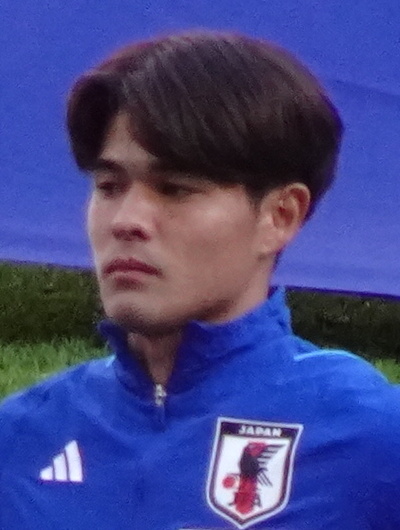 Kaishu Sano Kaishu Sano |  Mainz 05 Mainz 05 |
| MF | 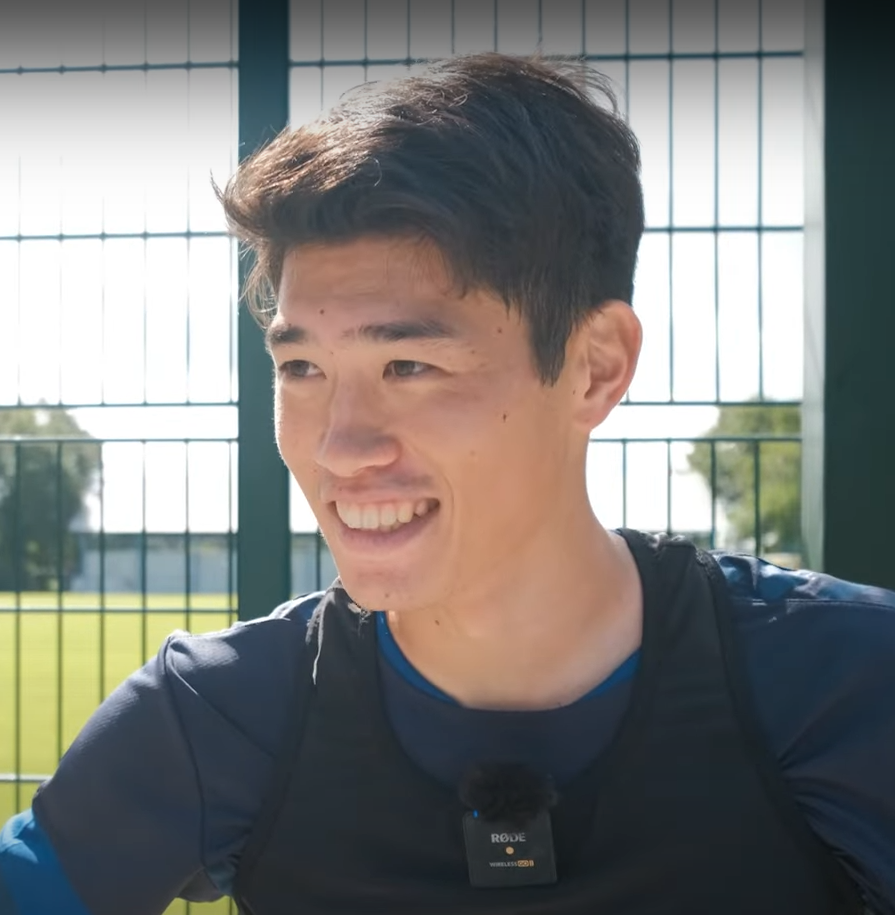 Yuito Suzuki Yuito Suzuki |  SC Freiburg SC Freiburg |
| FW | Ayase Ueda | Feyenoord |
| FW | Daizen Maeda |  Celtic Celtic |
| FW | 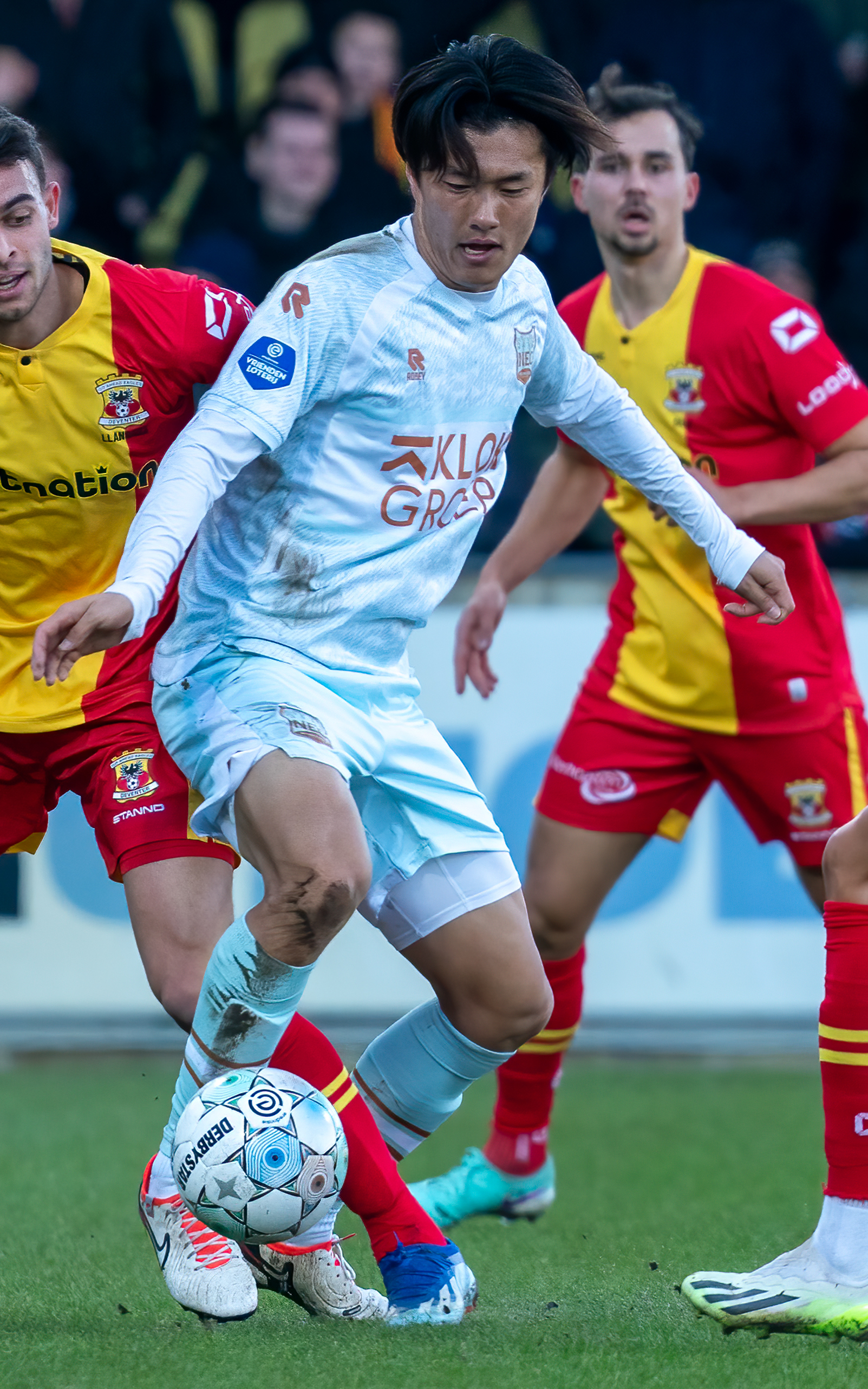 Koki Ogawa Koki Ogawa |  NEC Nijmegen NEC Nijmegen |
| FW | KGKeisuke Goto | Sint-Truiden |
| FW | KSKento Shiogai |  VfL Wolfsburg VfL Wolfsburg |
Squad announced: May 15, 2026 by Hajime Moriyasu. Final squads can change up to kickoff in case of late injury; check FIFA.com for the definitive list before the tournament.
Group F: who Japan must get past
Japan share Group F with the Netherlands, Sweden and Tunisia — a genuinely competitive draw with no easy nights. The Netherlands are the seeded side and the favourites to win the group; Sweden bring physicality and quality; and Tunisia, Japan's Monterrey opponent, are a well-organised African side that has frustrated bigger names before. With the expanded 48-team format sending the top two from each group plus the best third-placed teams into the knockouts, Japan will fancy their chances of advancing, but they will need to take points from at least two of these three to do it comfortably. Finishing first in Group F carries an extra prize for Monterrey ticket-holders: the group winner plays the Round of 32 knockout match right here at Estadio BBVA on June 29.
 NetherlandsGroup favourites (seeded)
 SwedenPhysical and dangerous
 TunisiaJapan's Monterrey opponent
Japan's full schedule and route to the final
Here is Japan's complete path: their three Group F matches, followed by the knockout route they would take if they win the group. Kickoff times are local Central Time, the same time zone as Monterrey.
Netherlandsvs JapanJapanvsTunisiaJapanvsSweden
Japan's knockout route is shown assuming they win Group F — the group winner plays its Round of 32 in Monterrey on June 29, while finishing second sends them on a different path. Opponents and later-round venues are set by results. TV listings are for Mexico (Canal 5 / TUDN and Azteca 7); in the United States matches air on FOX / FS1 and Telemundo. Always confirm each fixture on FIFA.com before travelling.
Expected weather for each match
Because the matches are still a couple of weeks out — beyond a reliable live forecast — the figures below are the typical conditions for each venue and kickoff time, drawn from the last ten years of records via the Open-Meteo weather archive. They are a climate guide, not a same-day forecast; we will refine them as live forecasts come into range. One thing matters more than the numbers: the two Dallas matches are played inside AT&T Stadium, which has a roof and air conditioning, so heat is a non-issue there. Only the Monterrey match is open-air.
Source: Open-Meteo historical archive, 10-year averages (2015–2024) for each venue and local kickoff hour. Rain figures are the share of those years with measurable rain on the date.
The Monterrey match: Japan vs Tunisia
Japan's date in Monterrey is the Group F fixture against Tunisia at Estadio BBVA on Saturday, June 20, with a 10:00 PM local kickoff. The late start is a gift in a Monterrey June — by ten at night the fierce daytime heat has broken, and under the stadium's canopy, which shades the great majority of seats, the conditions should be comfortable for players and fans alike. On paper Japan are favourites, but Tunisia are exactly the kind of disciplined, defensively stubborn opponent that has tripped up fancied teams at past World Cups, so expect Moriyasu's side to be patient and to rely on the pace of Kubo and Maeda to find the breakthrough.
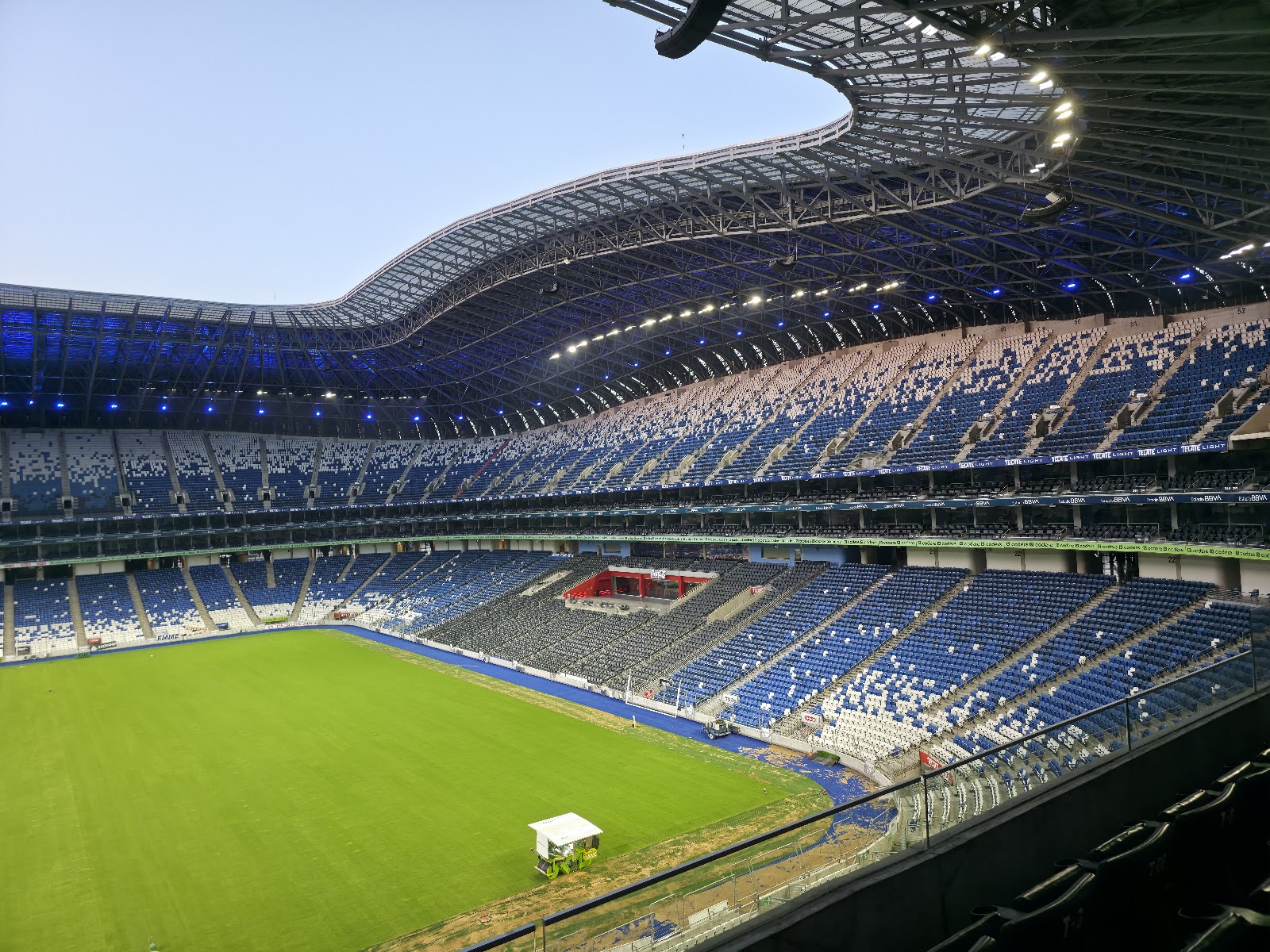
Practical note for the night: the stadium sits in Guadalupe on the eastern side of the metro area, reachable by Metro to Exposición plus a short walk, or by Uber and DiDi. A 10 PM kickoff means a late finish, so plan your route back before the match rather than after the final whistle.
What to expect from Japan's fans
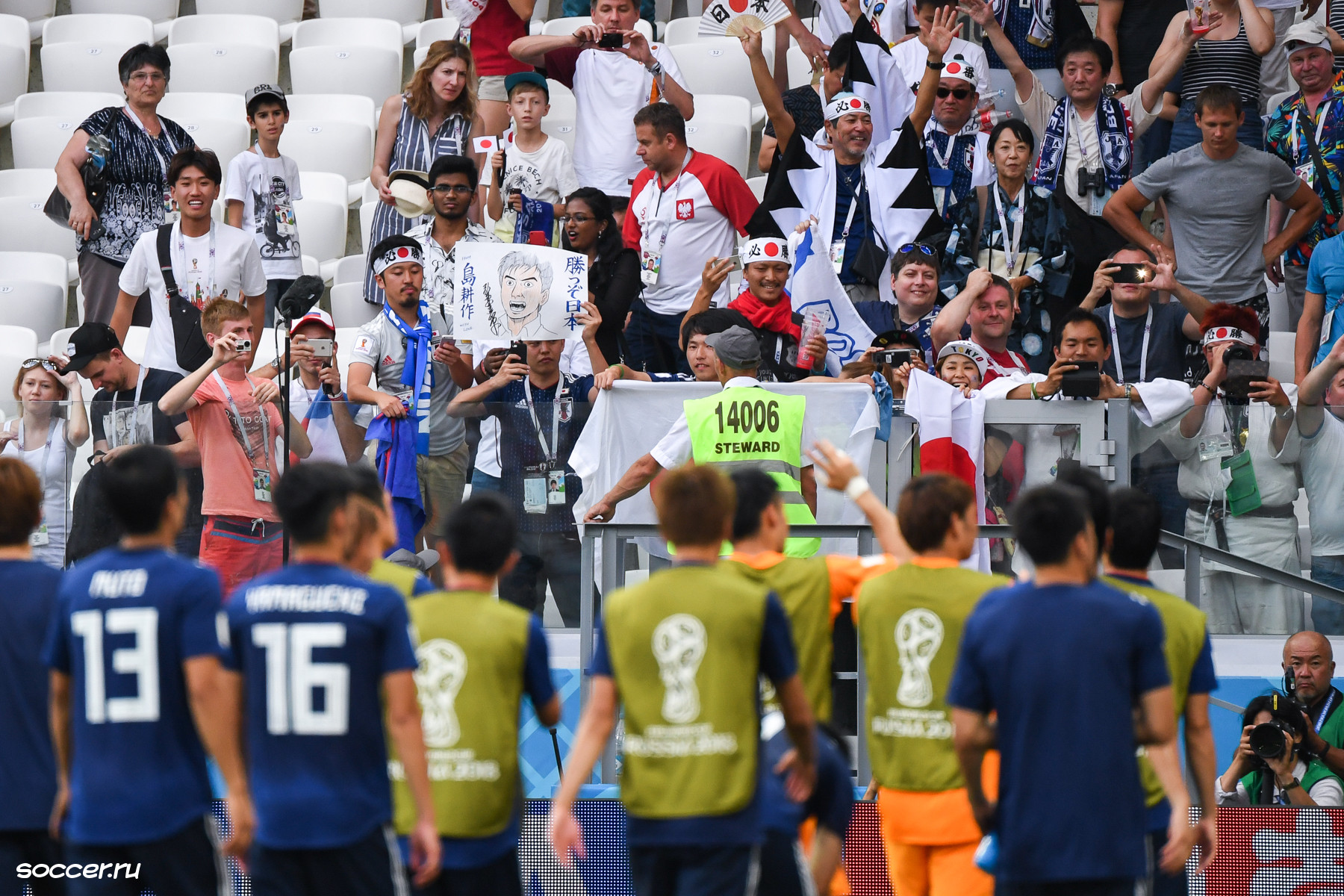
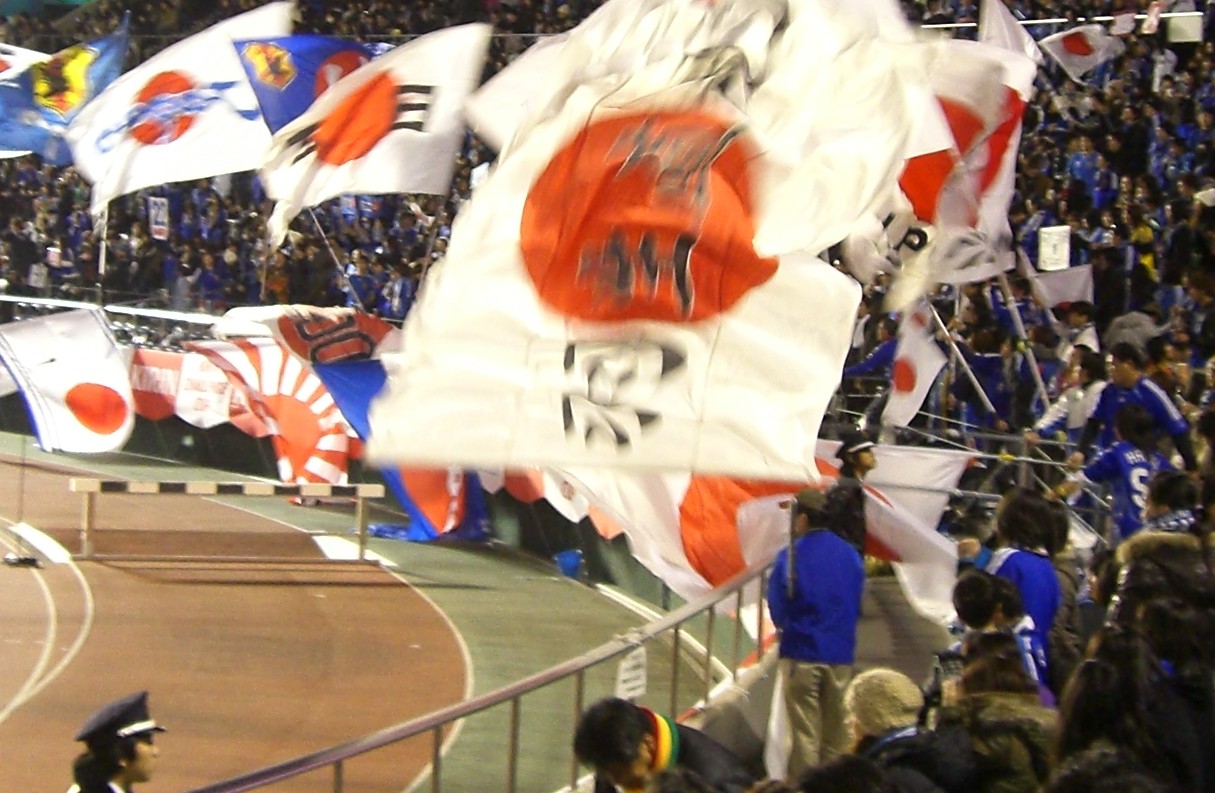
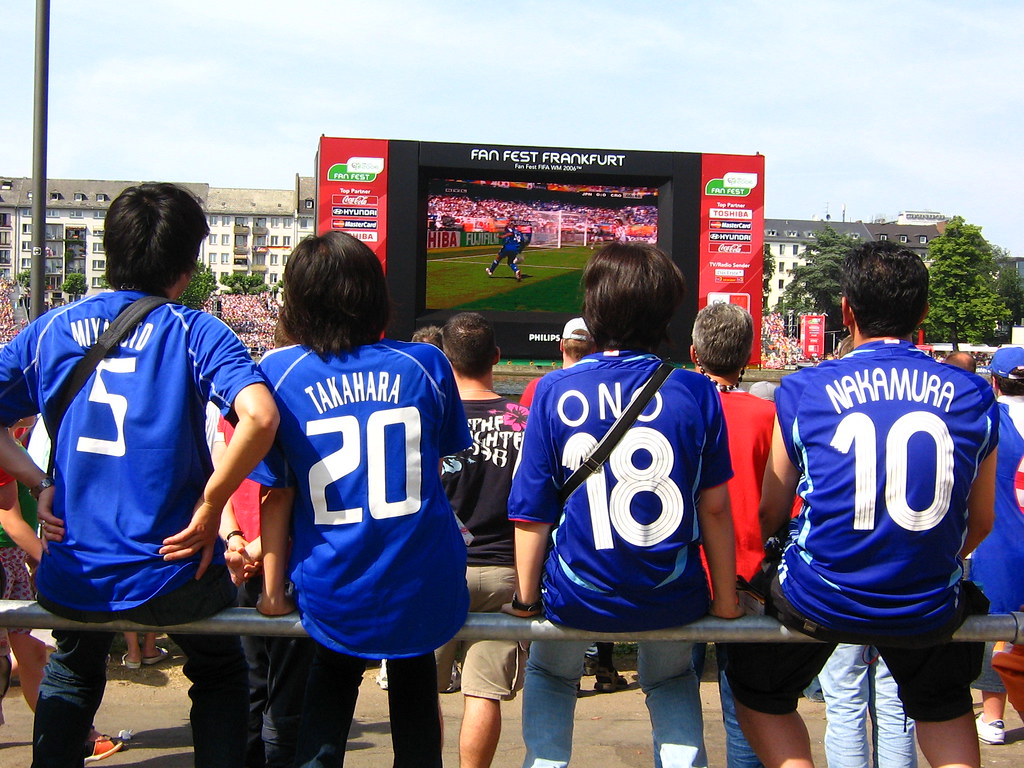
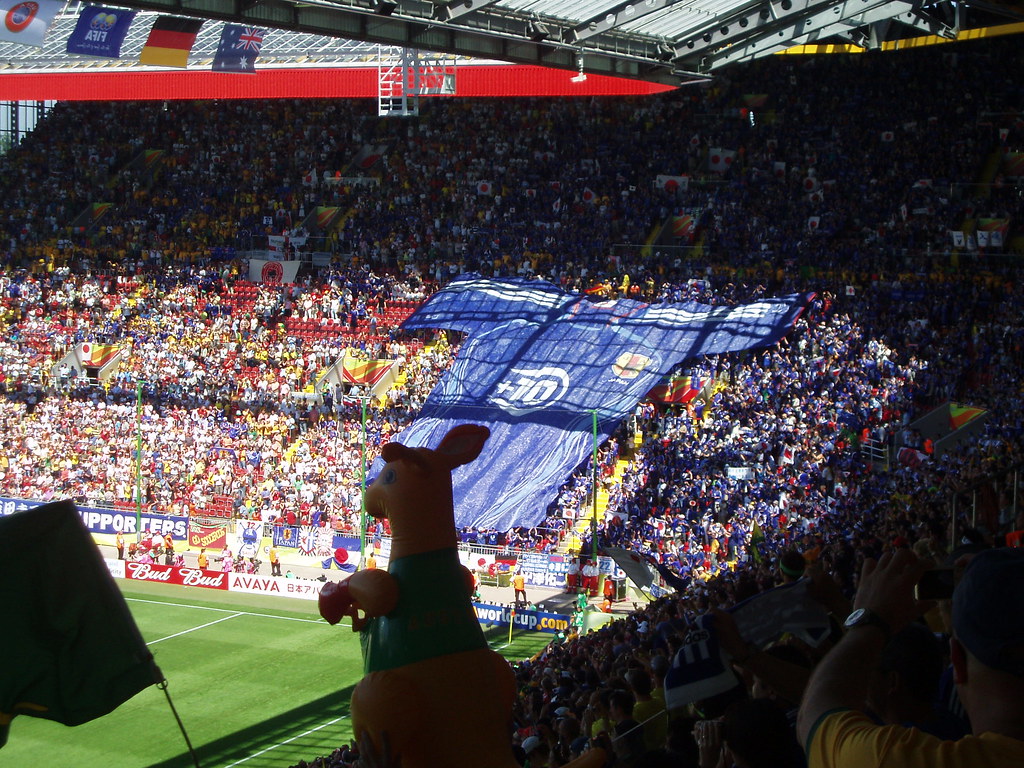
If you have a ticket, you are in for one of the World Cup's best supporter experiences. Japan's travelling fans are famous worldwide for two things: filling stadiums in a wall of blue, and staying behind after the match to pick up litter from their section — a ritual that has become one of the most admired sights of recent tournaments. The atmosphere is loud but good-natured, family-friendly, and unfailingly respectful of the host city. In a stadium as intimate and steep as Estadio BBVA, a strong Japanese following will make the June 20 night feel like a true World Cup occasion.
Whether Japan are simply passing through Monterrey or returning here for the June 29 knockout depends on how Group F unfolds — but for one Saturday night in June, the Samurai Blue belong to the Steel Giant, and they arrive as a team that genuinely believes this is the World Cup where they finally break their quarter-final ceiling.